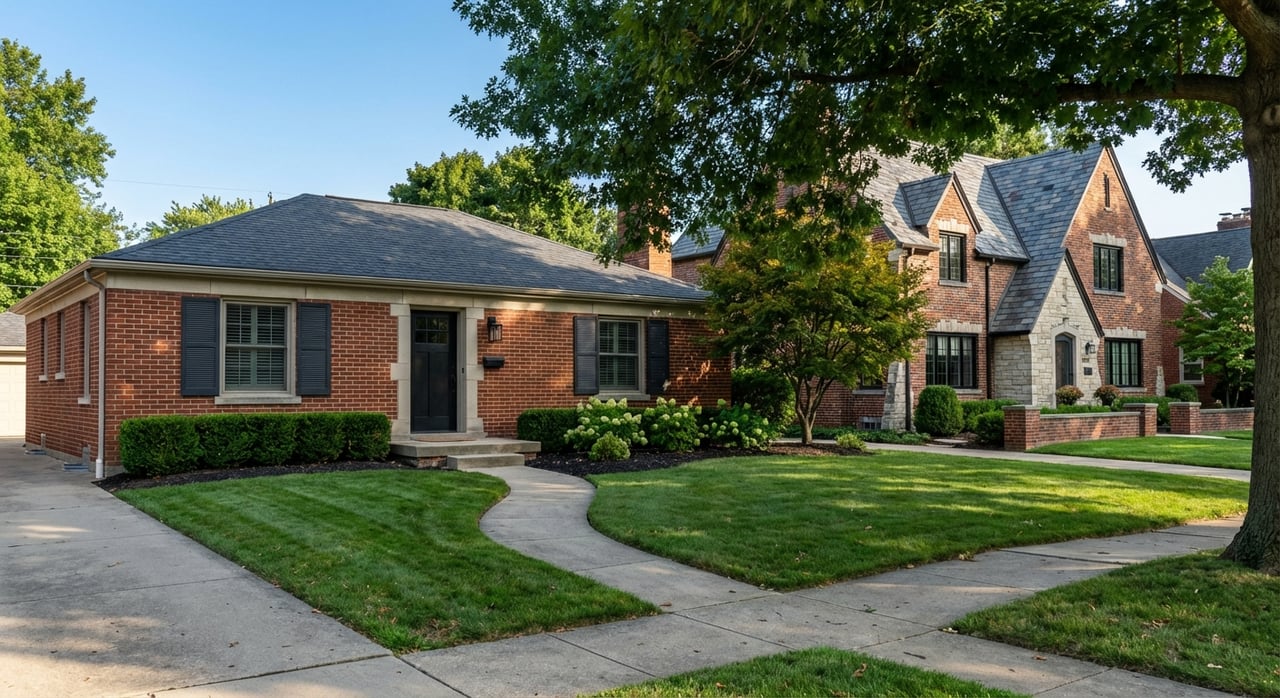
Carmel Indiana Best Neighborhoods for Growing Families
February 19, 2026
February 19, 2026
Need more space, easier routines, and a neighborhood that works for every stage of childhood? If you are moving up in Carmel, narrowing options can feel overwhelming. This guide simplifies the decision by comparing popular Carmel areas through the lenses that matter most: schools, parks, commute time, housing styles, walkability, and long-term resale. You will come away with a short list matched to your family’s needs. Let’s dive in.
Carmel is a mid-sized suburb just north of Indianapolis, home to roughly 103,600 residents, which gives you plenty of neighborhood choice without losing a small-city feel. You will find a strong parks system, a central cultural district, and a variety of home types from classic suburban streets to village-style living. According to U.S. Census QuickFacts, the city’s mean travel time to work is about 24.6 minutes, a helpful baseline as you evaluate commute logistics. You can confirm the latest figures on the Census site for Carmel.
Carmel Clay Schools serves the city with 11 elementary schools, 3 middle schools, and one comprehensive high school. The district receives an A+ rating on Niche and is among the highest rated in Indiana; exact school assignments always depend on your address. Start with the official Carmel Clay Schools site and use the district’s School Locator when you have a target street in mind.
Parks and trails are a daily-life strength. Carmel Clay Parks & Recreation manages more than 700 acres of parkland, and the Monon Community Center and Waterpark are major regional draws. At the city scale, Walk Score classifies Carmel as car dependent overall, though downtown pockets around City Center and the Arts & Design District offer noticeably higher walkability. Keep that city-versus-neighborhood difference in mind as you compare options.
Use this quick checklist to focus your search:
If you want a small-town feel inside Carmel, put the Village of West Clay on your list. This Traditional Neighborhood Development has a defined village center with shops and gathering spaces, multiple pocket parks, pools, and frequent community events. Internal walking distances are short, which appeals to households who like to keep daily errands and play close to home.
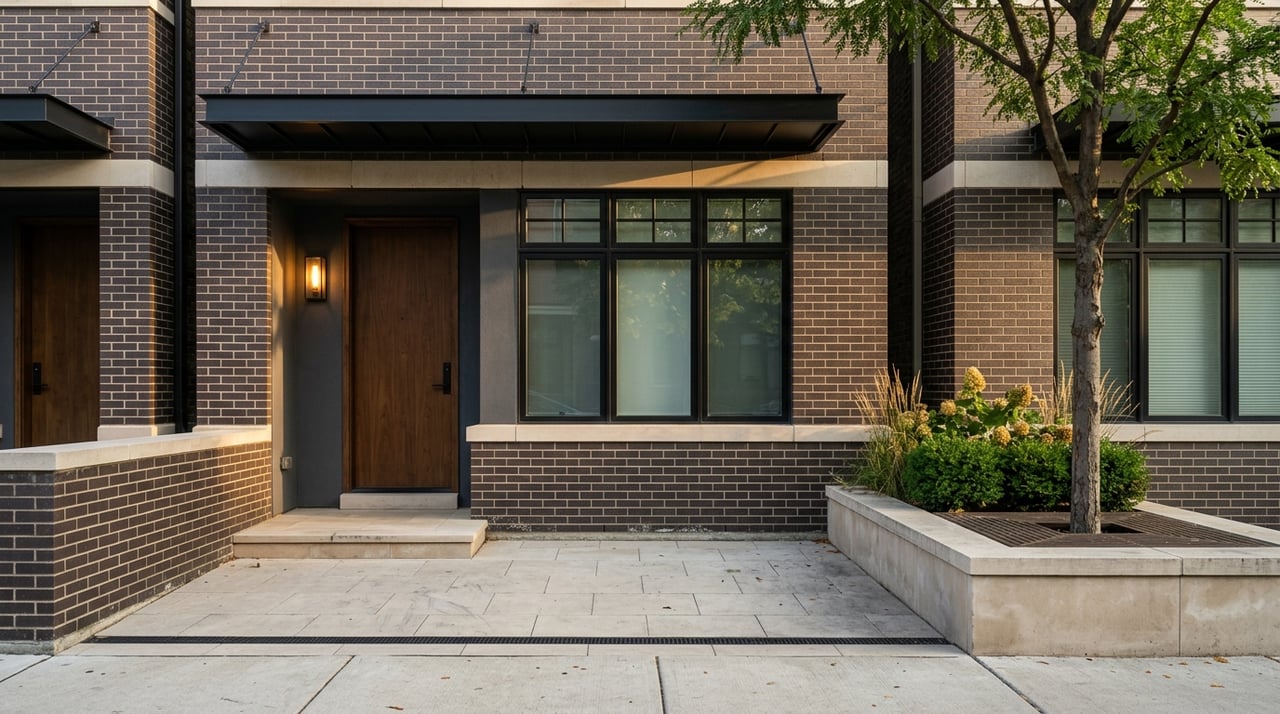
Families appreciate that parts of the village are served by West Clay Elementary, though middle and high school assignments vary by micro-location. Always confirm your exact address through the district’s site. Housing ranges from condos and brownstones to single-family homes on larger lots, and pricing often runs above the city average due to the amenity package and design cohesion. If the lifestyle fits, plan for HOA dues and review association rules with the Village of West Clay Owners Association.
Commutes to downtown Indianapolis typically run longer from this west-side location, depending on your street and traffic patterns. Many residents balance that with strong internal walkability and on-site amenities.
For the most walkable Carmel living, focus on the downtown pocket that includes City Center, the Palladium, and the Arts & Design District. You will find galleries, restaurants, a seasonal farmers market, and direct access to the Monon Trail. This is a smart fit if you value low-maintenance homes and the ability to walk to arts, food, and events.
School assignments remain within Carmel Clay Schools. Housing here skews toward condos and townhomes, with some single-family options on adjacent streets. Prices can be as high or higher than many suburban subdivisions, reflecting the rarity of true walkability in the region. If your household has multiple vehicles, think through garage and parking logistics early.
Brookshire offers an established, tree-lined setting with traditional lot sizes and a calm street grid. Many buyers choose it for its mature feel and convenient access to schools and local services. Relative to the city average, Brookshire also shows one of the stronger walkability profiles in Carmel, with pedestrian connections that make short errands easier.
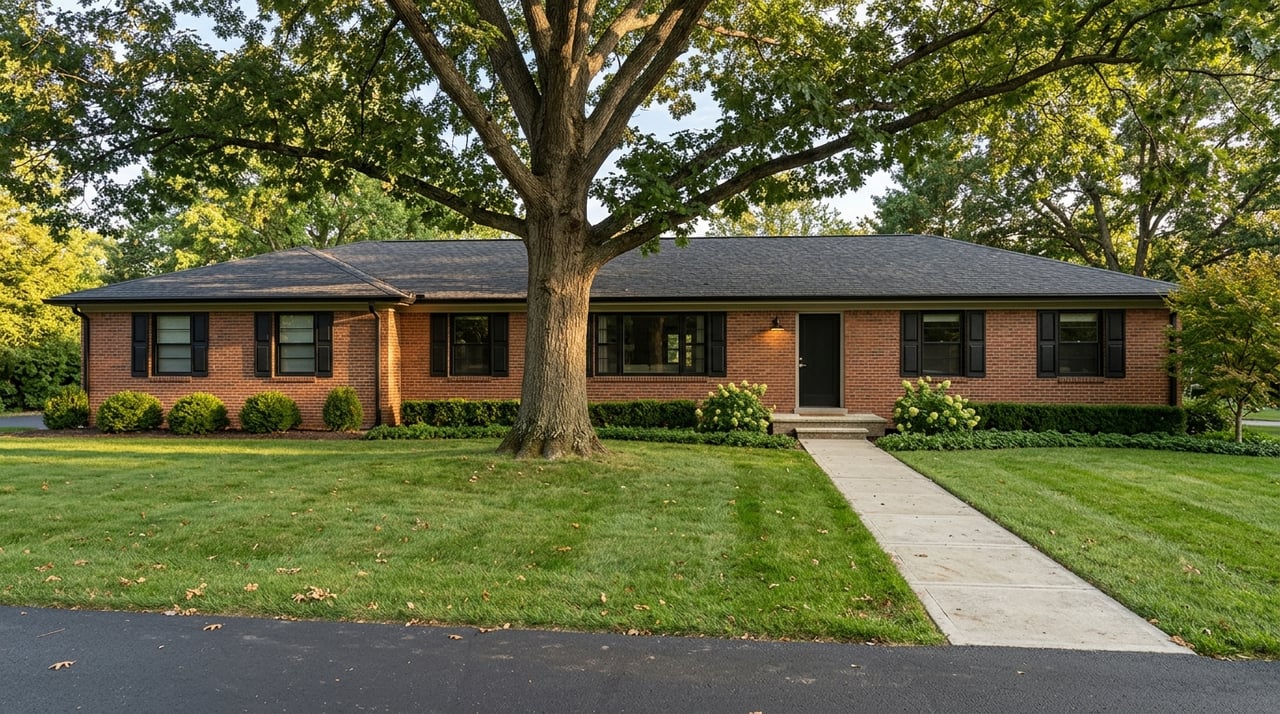
Homes are often from the 1980s and 1990s with updated interiors, placing the area in a mid to upper-mid price band within Carmel. Inventory can be tighter than in some newer subdivisions, which can shorten decision windows. As always, verify exact school assignments for your target address on the district site.
The Springmill Crossing, Springmill Ponds, and related subdivisions create a large family market cluster with neighborhood pools, clubs, and single-family homes from the 1980s through the early 2000s. Buyers tend to prioritize lot size, neighborhood amenities, and direct access to major corridors here.
You are within Carmel Clay Schools, though feeder patterns differ by micro-neighborhood. Housing quality varies with renovations, finished basements, and outdoor living spaces serving as common value drivers. Proximity to US 31 and other arterials makes this area appealing if you need predictable highway access for work.
Bridgewater is a gated, amenity-rich golf community with a clubhouse and private facilities. It attracts both families and empty nesters who want recreation close to home and a more custom, higher-end product mix.
Homes here tend to price at the higher end for Carmel neighborhoods, and inventory is typically limited. As with other areas, schools fall within Carmel Clay Schools and should be confirmed address by address. Expect HOA dues that support the club environment, and weigh those benefits against your lifestyle.
If nature and year-round programming are on your must-have list, look near Cool Creek Park and the city’s larger parks network. Cool Creek Park, managed by Hamilton County, offers wooded trails and a nature center with educational programming that appeals to many households with young children. Carmel Clay Parks also operates Central Park and the Monon Community Center, which add fitness, aquatics, and seasonal activities.
Prices vary widely across park-adjacent streets and subdivisions, but proximity to large, high-quality parks is a consistent positive for daily life and resale. When you find a promising block, have your agent pull close-in comparable sales to understand the premium for trail or park access.
Use the city’s 24.6 minute mean commute as a starting point, then customize with real drive tests at your likely travel times. In general, City Center locations offer very short access to the Meridian office corridor, while the Springmill area balances highway access with quieter streets. West Clay trades a bit more drive time to downtown Indianapolis for stronger internal walkability and on-site amenities. If childcare or after-school programs are part of your routine, map those along with your office to see where your daily circles overlap.
Ready to compare neighborhoods with a local advisor who knows the trade-offs street by street? Reach out to Allison Steck to discuss your goals and start a focused search.
Stay up to date on the latest real estate trends.
Allison offers her clients both the expertise to effectively compete in the changing market, and an elevated level of service that is unmatched in the business.