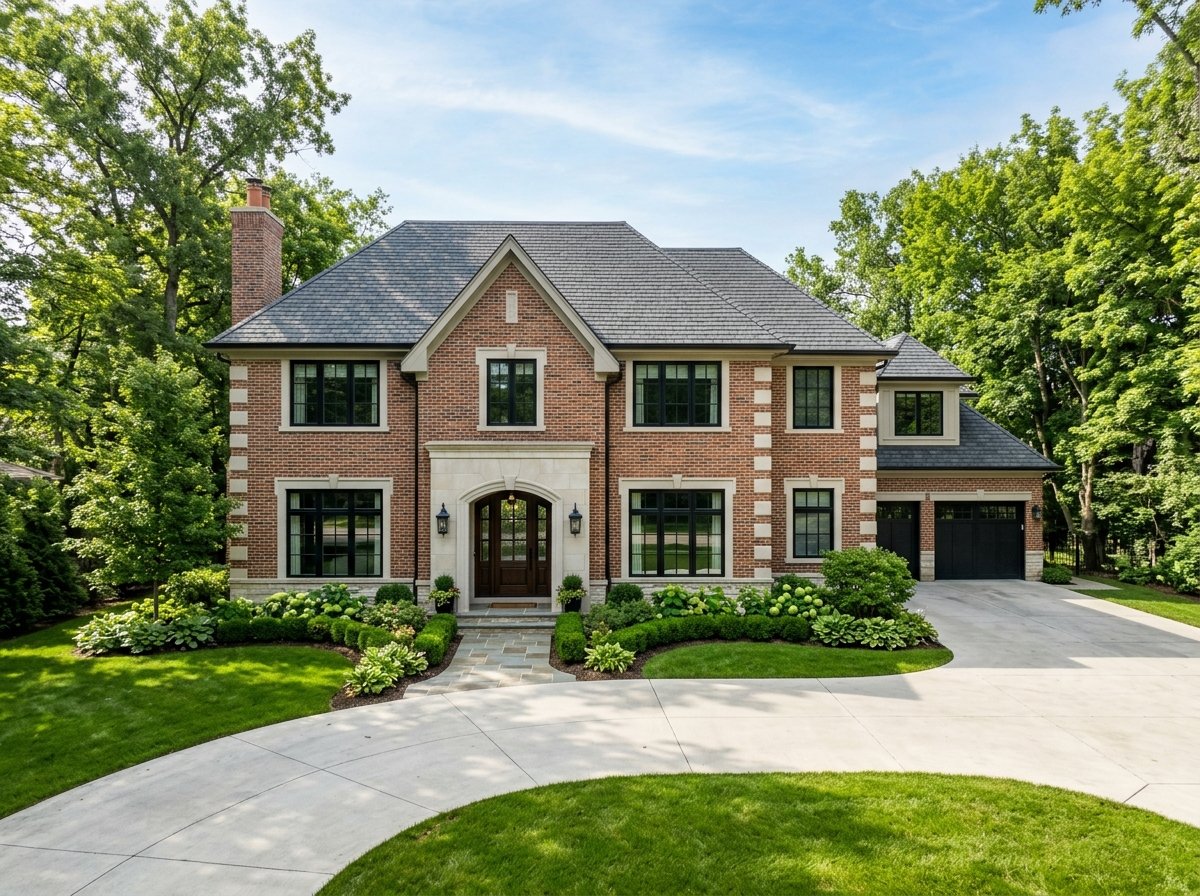
Pricing a historic home in Meridian-Kessler is part art, part science. Price too low and you leave money on the table. Price too high and you risk a long, stale listing. If you want a premium outcome, you need a plan tailored to historic properties and today’s MK buyer. This guide shows you how appraisers think, which features drive value, how to choose the right comps, and what to prepare before you list. Let’s dive in.
Meridian-Kessler value basics
Meridian-Kessler is known for early 20th-century homes, mature landscaping, and a close-in location that many buyers prize. The neighborhood’s walkable feel and established streetscape create a location premium versus many suburbs. Scarcity of comparable architecture can also support higher prices when presentation is strong.
Within MK, specific blocks, nearby parks, and lot characteristics can influence value. Deep lots, corner exposure, or distinctive settings often attract more attention. Small differences in setting can translate to big differences in buyer demand.
Historic oversight and value
Some MK homes fall under local historic design review or are listed individually. Local oversight can preserve neighborhood character, which many buyers value. It can also limit certain exterior changes, which affects buyer expectations and flexibility.
Before listing, confirm your property’s status and any applicable rules with the relevant authorities. Document approvals, permits, or easements and be ready to explain how they protect long-term value.
How appraisers think
Appraisers rely on three approaches, with one leading the analysis for most MK homes:
- Sales Comparison Approach: The primary method. It depends on recent, similar sales. When comps are scarce, adjustments grow and become more subjective.
- Cost Approach: Useful when unique features or limited comps make replacement cost relevant. Historic materials and craftsmanship often carry higher replacement costs.
- Income Approach: Rare for owner-occupied MK homes, but relevant if there is an accessory rental or investor focus.
Features that drive price
Buyers of historic homes look for authenticity and livability. Appraisers reflect these preferences in the value.
- Architectural integrity: Original windows, built-ins, mantels, trim, plaster, and stained glass can support a premium among authenticity-minded buyers.
- Quality of updates: Period-sensitive restorations and strong mechanical upgrades improve appeal. Incongruent, generic remodels can hurt value.
- Functional layout: Modern kitchens, bathrooms, closets, and HVAC matter. The balance of original character and daily comfort shapes demand.
- Condition and maintenance: Roof, foundation, water management, and systems issues reduce marketability and can trigger cost-to-cure adjustments.
- Micro-location: Block-to-block differences, lot depth, and proximity to amenities can shift price expectations.
Selecting the right comps
Choosing comps for a historic MK home requires precision.
- Geography: Start within the same MK sub-area, ideally within 0.5 to 1 mile, if style and era align.
- Timeframe: Look back 6 to 12 months. If supply is thin, expand to 12 to 24 months and adjust for market timing.
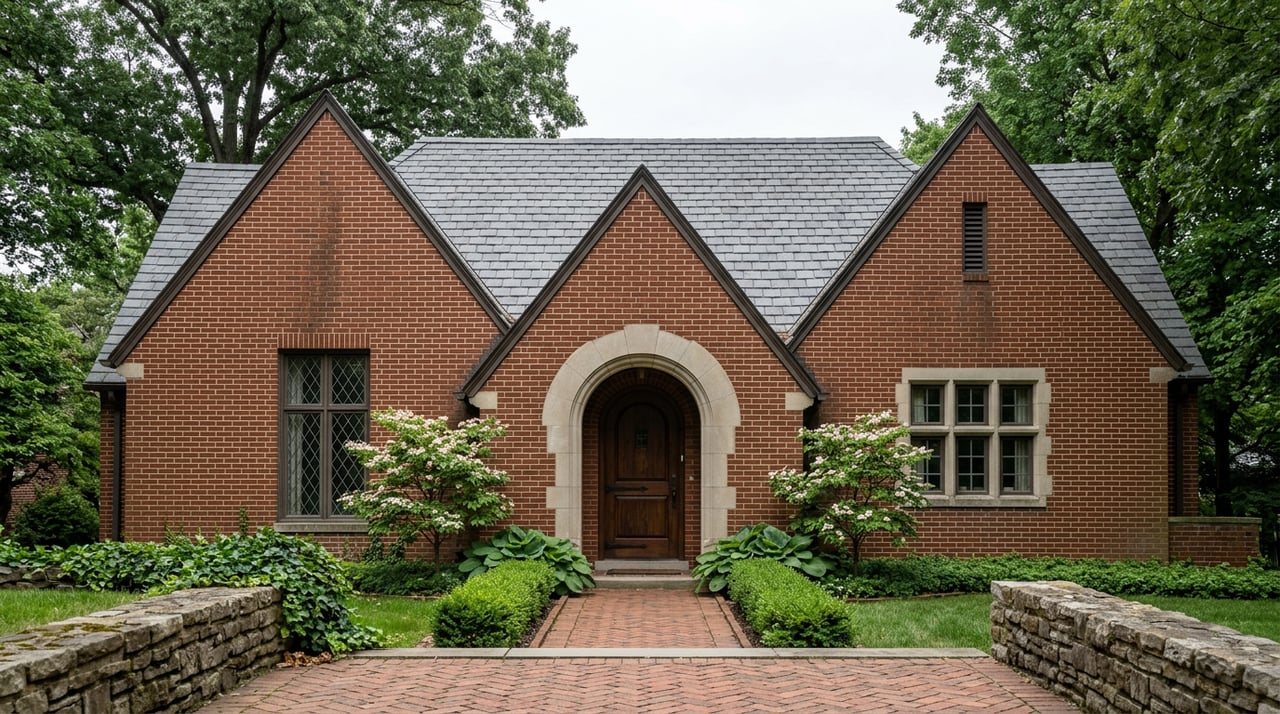
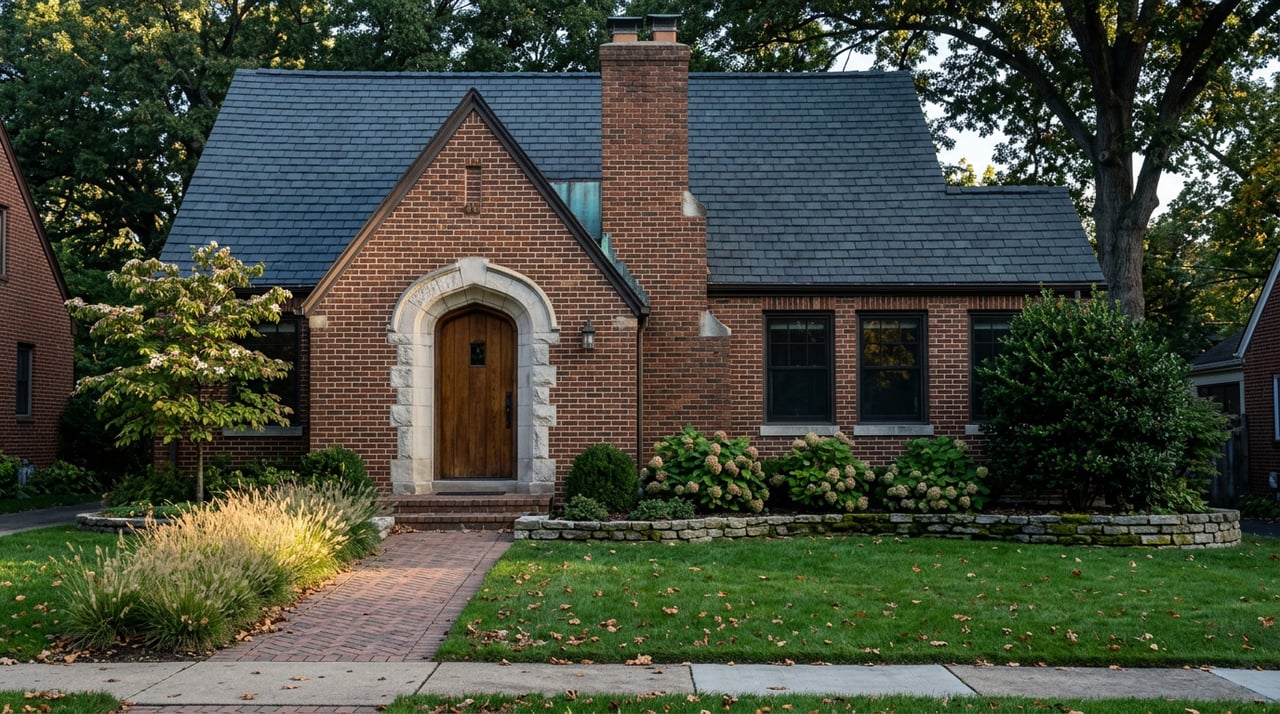
- Style and era: Tudor, Colonial Revival, and Craftsman homes appeal to different buyers. Match era and style where possible.
- Lot and setting: Compare lot size, topography, landscaping, and corner or park adjacency.
- Living area and layout: Match finished square footage and functional rooms, not just bedroom counts.
When comps are scarce
If there are few close matches, widen the time window and rely more on the cost approach for unique features. Engage an appraiser experienced with historic MK homes who understands local measurement standards and materials costs. Provide detailed documentation so fewer assumptions are needed.
Supporting adjustments
Adjustments translate differences between your home and the comps into dollars. That is harder with historic features.
- Condition and utility: Updated kitchens and baths often warrant upward adjustments, but heavy modernizations can reduce appeal to authenticity-focused buyers.
- Historic features: Original elements may earn a premium, yet quantifying that premium is tricky without paired sales or cost evidence.
- Systems and energy: HVAC, electrical, plumbing, and insulation upgrades increase confidence and comfort. The added value is often less than the full cost but can reduce buyer risk.
- Site improvements: Usable carriage houses, restored garages, or notable gardens can justify positive adjustments.
Techniques that back up value
- Paired-sale analysis: Identify two recent sales similar in most respects except for one key feature to help quantify differences.
- Cost documentation: Provide recent bids and invoices for restoration or systems work to support cost-to-cure or replacement logic.
- Local context: Insights from experienced local professionals help appraisers understand buyer preferences, used as supporting evidence.
Updates that add value
Focus on improvements that boost confidence and marketability while respecting character.
- Systems upgrades: HVAC, electrical, and plumbing updates reduce risk and improve comfort.
- Kitchens and baths: Thoughtful, period-sensitive designs tend to perform best at resale.
- Structure and envelope: Roof repairs, drainage, foundation stabilization, and moisture mitigation are essential for top-dollar outcomes.
- Restoring original features: Refinished floors, repaired woodwork, and preserved windows can help you stand out from modernized comparables.
Mistakes that hurt value
- Generic remodels: Removing built-ins or masking trim can alienate the core historic buyer pool.
- Incompatible exterior work: Unapproved or out-of-character changes can raise concerns with buyers and lenders.
Documentation and presentation
Great presentation earns attention, but documentation secures value. Prepare a comprehensive file so buyers and appraisers can verify quality.
- Historic status: Designation letters, district maps, and any easements.
- Permits and approvals: Preservation commission approvals and renovation permits.
- Invoices and warranties: For systems, restoration, and structural work.
- Before-and-after photos: Show the scope and quality of improvements.
- Clear narratives: Label what is original, restored, or replaced to make the value story easy to follow.
- Pre-listing evaluation: Consider a pre-listing inspection or appraisal to set expectations and reduce negotiation friction.
Pricing strategy by buyer pool
Meridian-Kessler often draws two overlapping audiences. Knowing which one will most likely buy your home helps you price with confidence.
- Authenticity-first buyers: They value original fabric and sensitive restoration, often paying more for integrity and provenance.
- Convenience-first buyers: They prioritize updated kitchens, baths, and systems, and prefer renovations that respect scale and materials.
Price at the top of the range only when your comps share your home’s era, style, integrity, and presentation. Support your ask with documentation and marketing that highlights provenance and improvements.
Pre-listing checklist
Use this checklist to organize your pricing game plan:
- Verify historic status and any restrictions or easements.
- Gather permits, approvals, invoices, and warranties.
- Address high-impact maintenance: roof, moisture, foundation, and systems.
- Commission a market analysis or pre-listing appraisal with historic experience.
- Capture high-quality photos that showcase craftsmanship and details.
- Prepare a concise condition and features narrative for buyers and appraisers.
Work with a local advisor
Pricing a historic MK home requires nuanced comp selection, sensitive presentation, and clear documentation. An experienced neighborhood broker can coordinate pre-list preparations, assemble the right valuation support, and market to the buyers who value what makes your home special. If you want help aligning Compass-level marketing with preservation-savvy pricing, connect with Allison Steck to get started.
FAQs
Does historic designation raise or lower value in MK?
- It can do either; protections help preserve neighborhood character while design review can limit changes, so the net effect depends on buyer preferences and your home’s presentation.
How do original windows impact price and efficiency?
- Original windows are often valued for authenticity; pairing them with appropriate storm windows or sensitive retrofits can balance character and comfort.
Should I remodel a historic kitchen or bath before selling?
- Invest where it matters: quality, period-sensitive updates typically perform better than large, incongruent remodels that remove historic details.
Do I need a Historic Structure Report to sell?
- Not always; it can be useful for complex homes or extensive restorations because it documents conditions, work, and costs that support the value case.
Which documents help the appraiser most?
- Permits and approvals, contractor invoices, warranties, tax or incentive paperwork if applicable, and clear before-and-after photos give appraisers confidence.
What if there are no perfect comps nearby?
- Expand the time horizon, lean on cost evidence for unique features, and use an appraiser experienced with historic MK homes to support thoughtful adjustments.