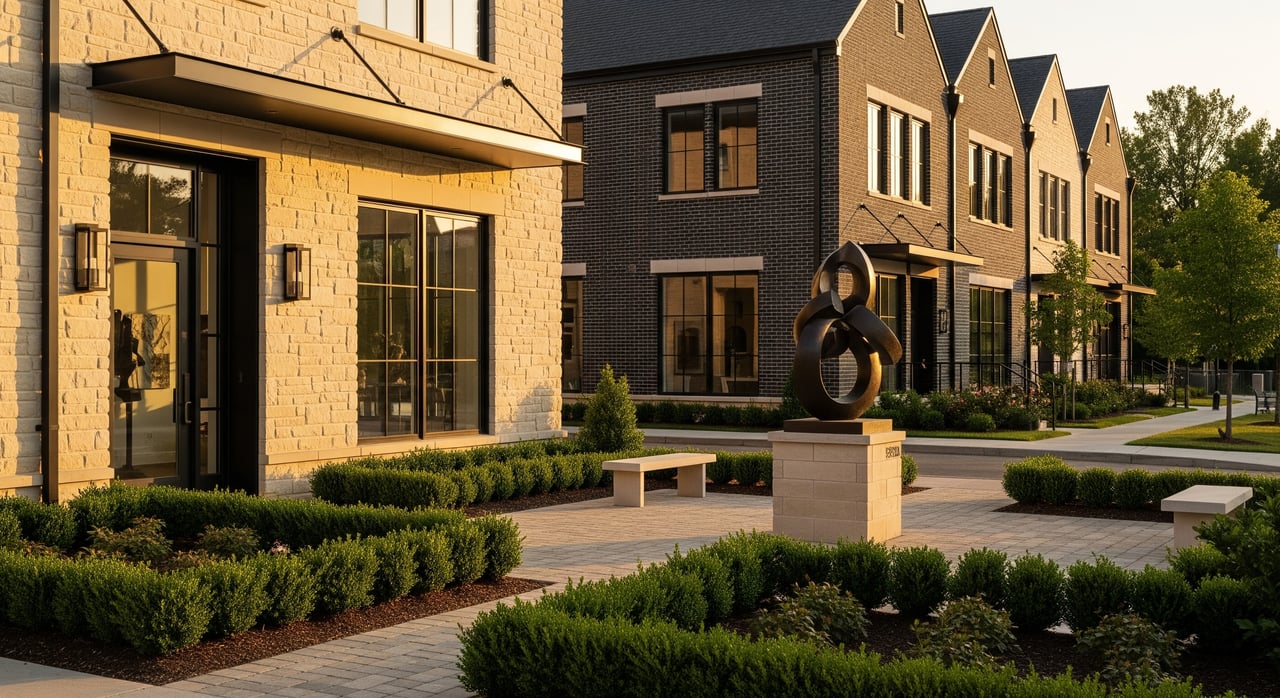
Living Near Carmel Arts & Design District: Local Guide
December 4, 2025
December 4, 2025
Imagine stepping out your front door for coffee, strolling past galleries on Main Street, and choosing dinner without getting in the car. If you are relocating to Carmel or moving up from another neighborhood, the Arts & Design District offers a lifestyle that blends suburban ease with a lively, walkable core. In this guide, you’ll learn how the area feels day to day, the types of homes nearby, commute options, and the tradeoffs to consider. Let’s dive in.
Living close to Carmel’s Arts & Design District means you are centered in the city’s creative hub. You get a compact, pedestrian-oriented area with independent galleries, boutiques, and restaurants set along brick sidewalks and leafy streets. It is ideal if you want urban-style energy in a suburban location, with events, public art, and everyday amenities in easy reach.
The core district spans a few blocks anchored by Main Street, with short block lengths and frequent crossings that support walking. You can cover daily needs like coffee, casual meals, and quick errands on foot. For bigger groceries or big-box retail, expect a short drive. The vibe is friendly and energetic, with more activity on evenings and event days.
Regular arts-focused events and seasonal festivals draw residents and visitors to the district. You can expect gallery nights, community celebrations, holiday markets, and outdoor performances throughout the year. Schedules change, so you will want to check current calendars when planning, but the takeaway is consistent: there is a steady rhythm of cultural activity.
The Monon Trail (Monon Greenway) passes through or near Carmel and is a major amenity for walkers, runners, and cyclists. Small pocket parks and plazas in and around the district offer places to relax or meet friends. If you enjoy an active lifestyle, the trail network and pedestrian infrastructure make it easy to get outside.
This location works well if you value culture, restaurant variety, and the convenience of a walkable center. Young professionals, downsizers, and move-up buyers often prioritize the district’s amenities and ease of living. If you want very quiet, large-lot seclusion or a heavy late-night scene, you may prefer neighborhoods a bit farther out while staying a quick drive from downtown Carmel.
You will find a mix of homes in and near the district, from low-maintenance condos to renovated classics and new infill construction.
These are common within or just outside the commercial core. They offer walkable access, lower maintenance, and a range of sizes. Many appeal to buyers who want to downsize, invest in a pied-à-terre, or simplify life while staying close to dining and arts.
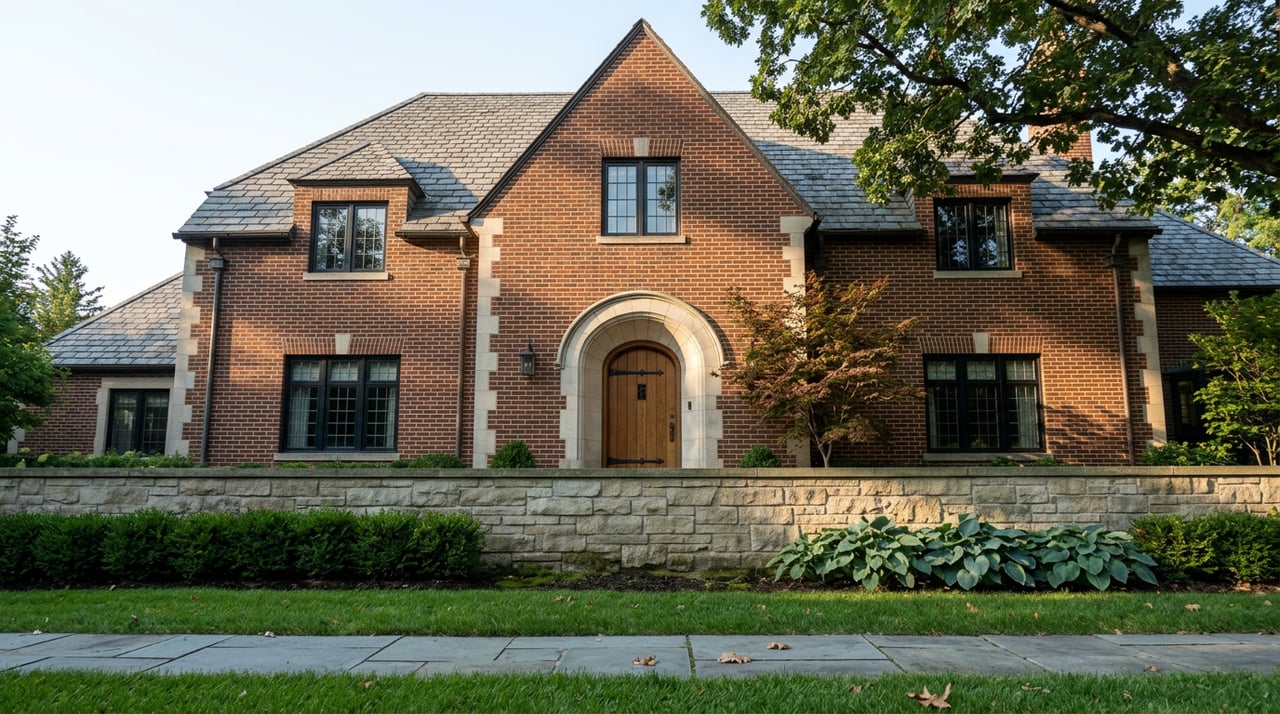
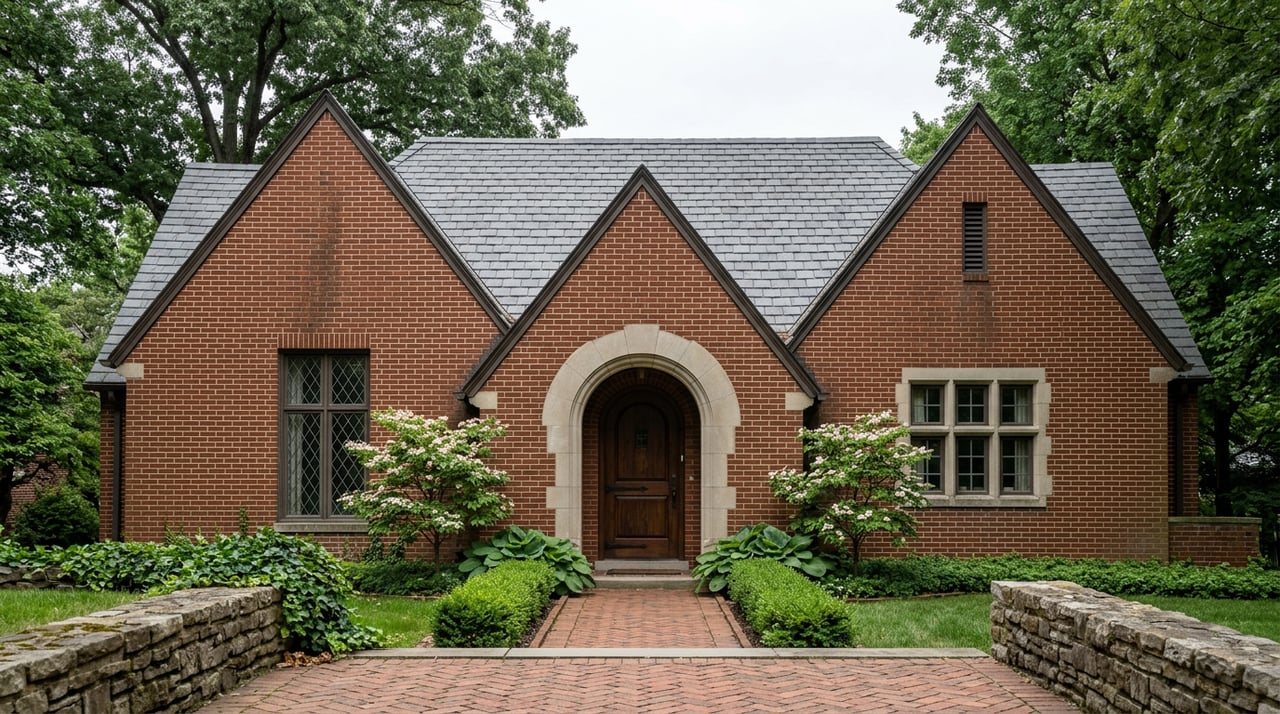
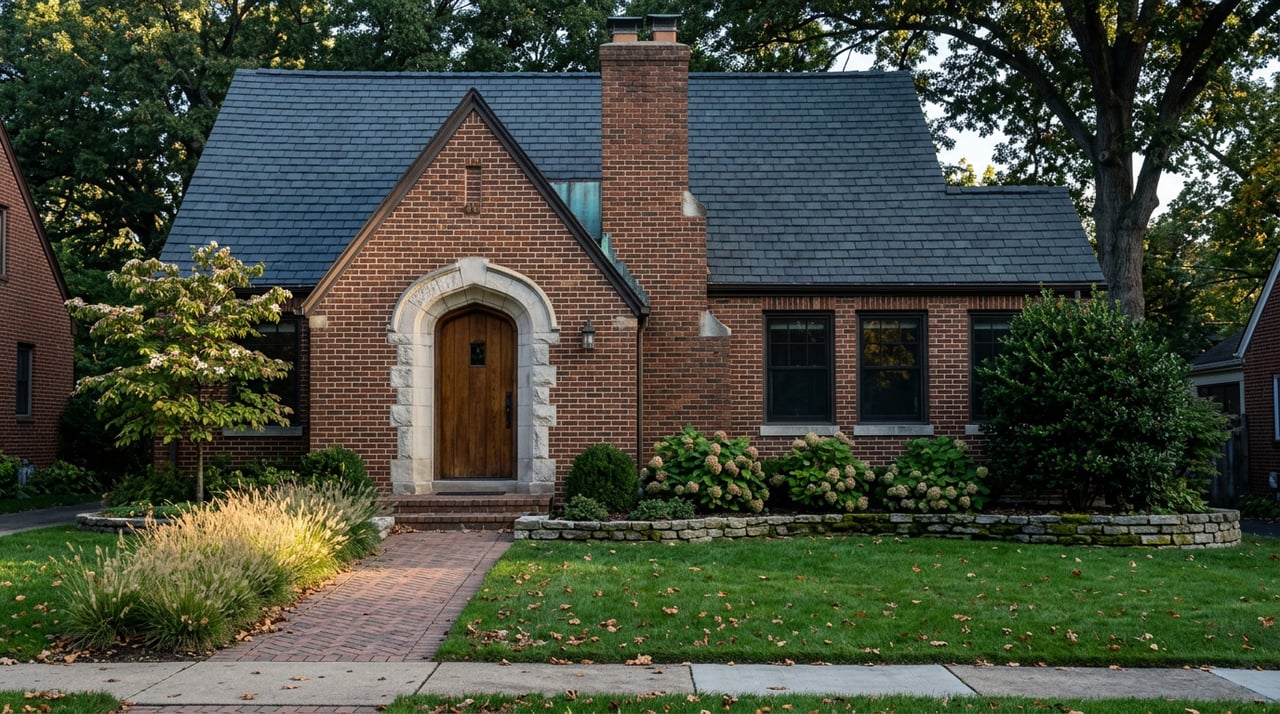
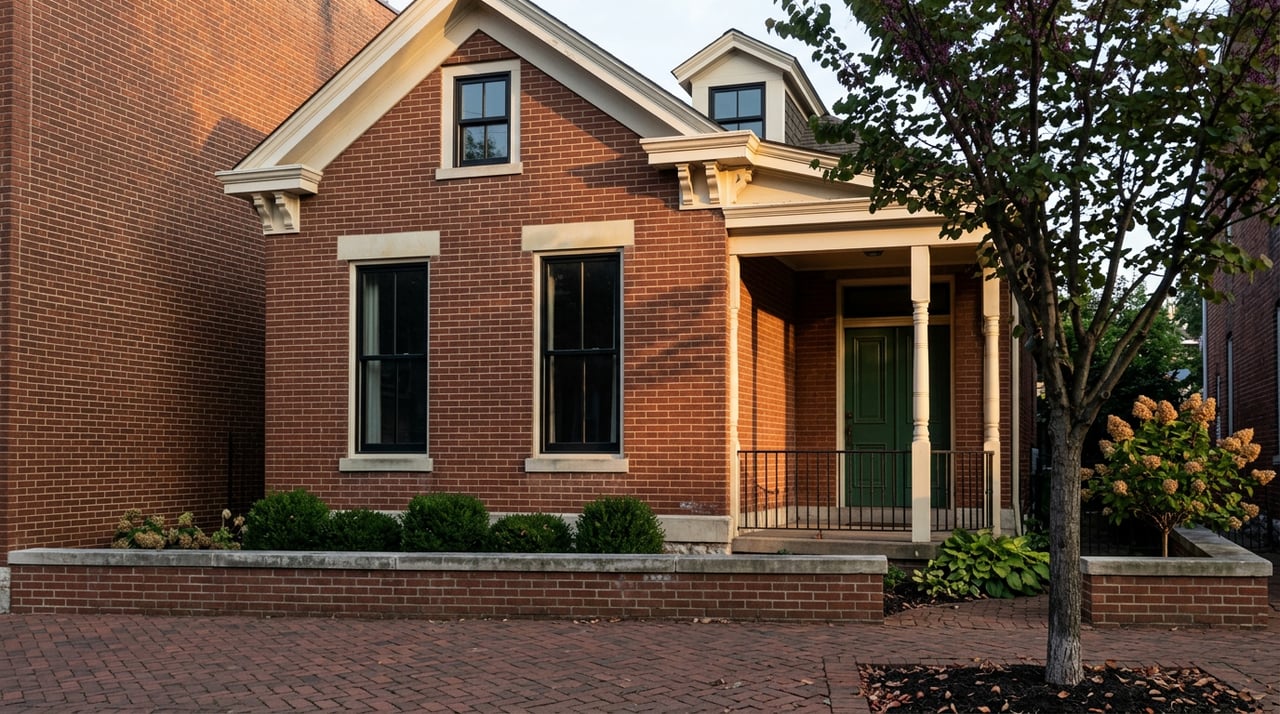
On surrounding streets, you will see mid-century and early suburban homes on modest lots, many with updates. These properties attract buyers who want character, walkability, and a smaller yard, along with the potential to renovate over time.
Newer construction near the district targets buyers looking for modern finishes and convenience. These homes, along with upscale townhomes, occupy upper price bands due to prime location and newer features.
A short drive away, you will find newer subdivisions with larger lots and additional space. Buyers often choose these for yard size and then drive a few minutes to enjoy the district’s restaurants and events.
Homes near the district are served by Carmel Clay Schools. The district has a strong regional reputation. Always verify current school boundaries on official maps, since lines can change over time.
Carmel sits north of downtown Indianapolis, and many residents commute south to employment centers. Nearby arterials and highways provide access to US-31 and I-465. Drive times vary by destination and peak-hour traffic, so it is smart to test your route during typical commute windows.
Regional public transit is more limited than in large cities. You can check current IndyGo services for available routes. If you prefer to bike or walk for short trips, local infrastructure and the Monon Trail make non-car trips practical inside the district and to nearby destinations.
On-street parking, municipal lots, and shared garages generally meet everyday needs. During festivals or major performances, expect higher demand and plan for a short walk. If you own a car, pay attention to building or HOA parking provisions and how they align with your routine.
Within the core, you can comfortably walk to coffee, dining, galleries, and personal services. For larger errands, rideshare and short drives cover the gaps. Non-drivers often appreciate the ability to manage daily life on foot.
Use this quick checklist when you tour:
Choosing to live near Carmel’s Arts & Design District is about fit. You want easy access to culture and dining, a comfortable walkable routine, and a home that holds value over time. A guided tour can help you compare micro-locations, understand HOA and parking details, and weigh different housing types in the context of your goals.
If you are ready to explore, reach out to Allison Steck for neighborhood insights, tailored property tours, and a clear plan for your next move.
Stay up to date on the latest real estate trends.
Allison offers her clients both the expertise to effectively compete in the changing market, and an elevated level of service that is unmatched in the business.