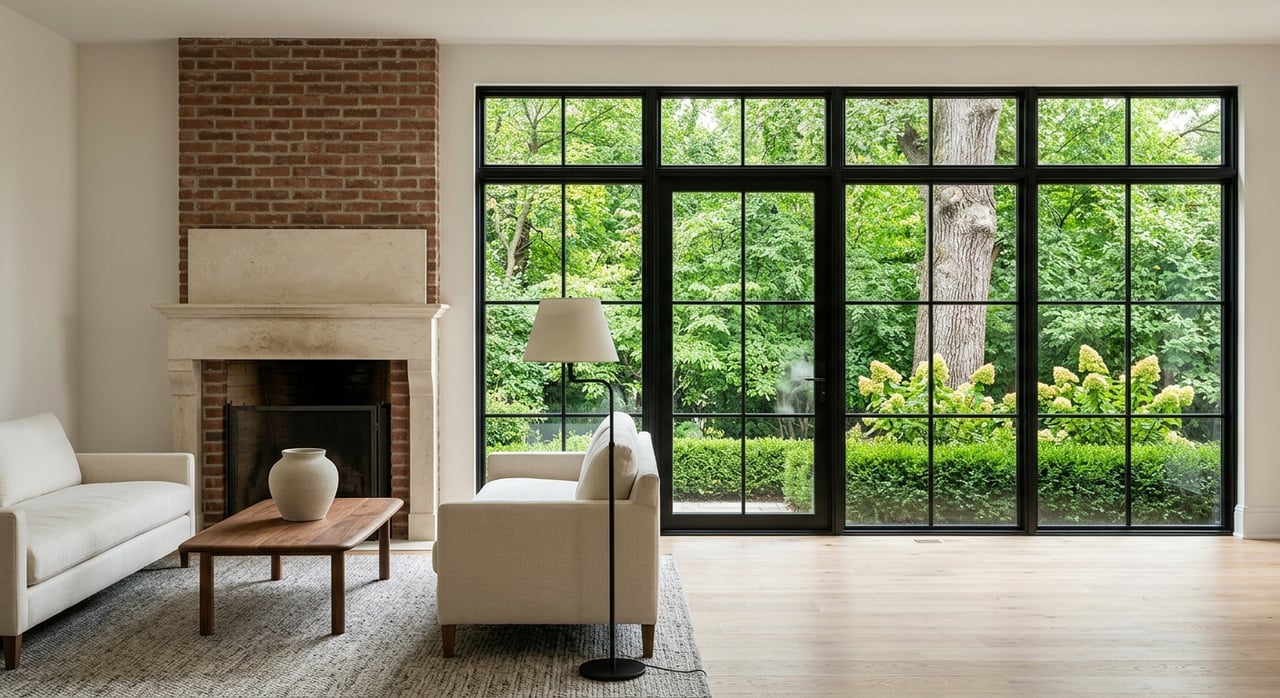
How to Sell a Luxury Home in Meridian Hills or Williams Creek
June 25, 2026
June 25, 2026
Wondering how to list a home in Meridian Hills or Williams Creek without leaving money on the table? In these established Washington Township communities, buyers often look beyond square footage and zero in on setting, privacy, lot quality, and the overall feel of the property. If you are getting ready to sell, this guide will walk you through a practical step-by-step process so you can prepare well, price with confidence, and launch with purpose. Let’s dive in.
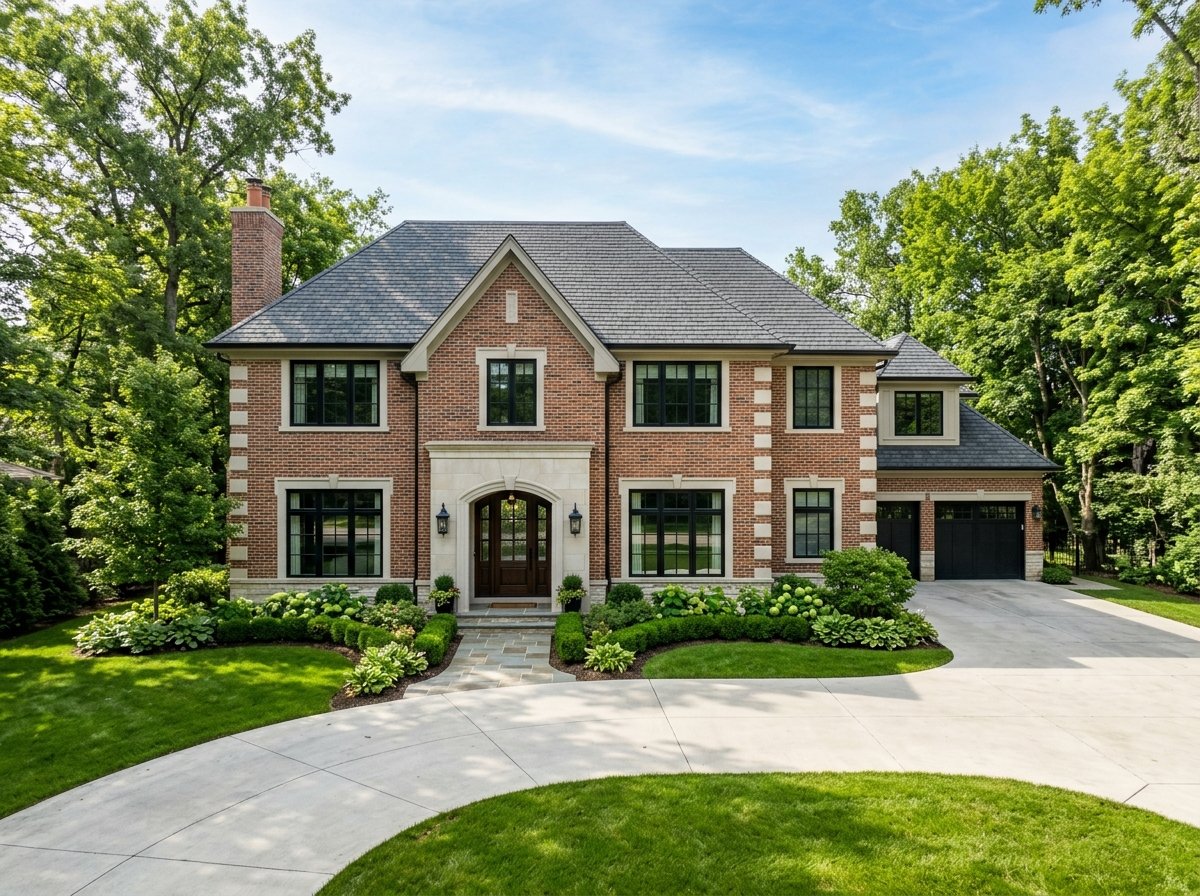
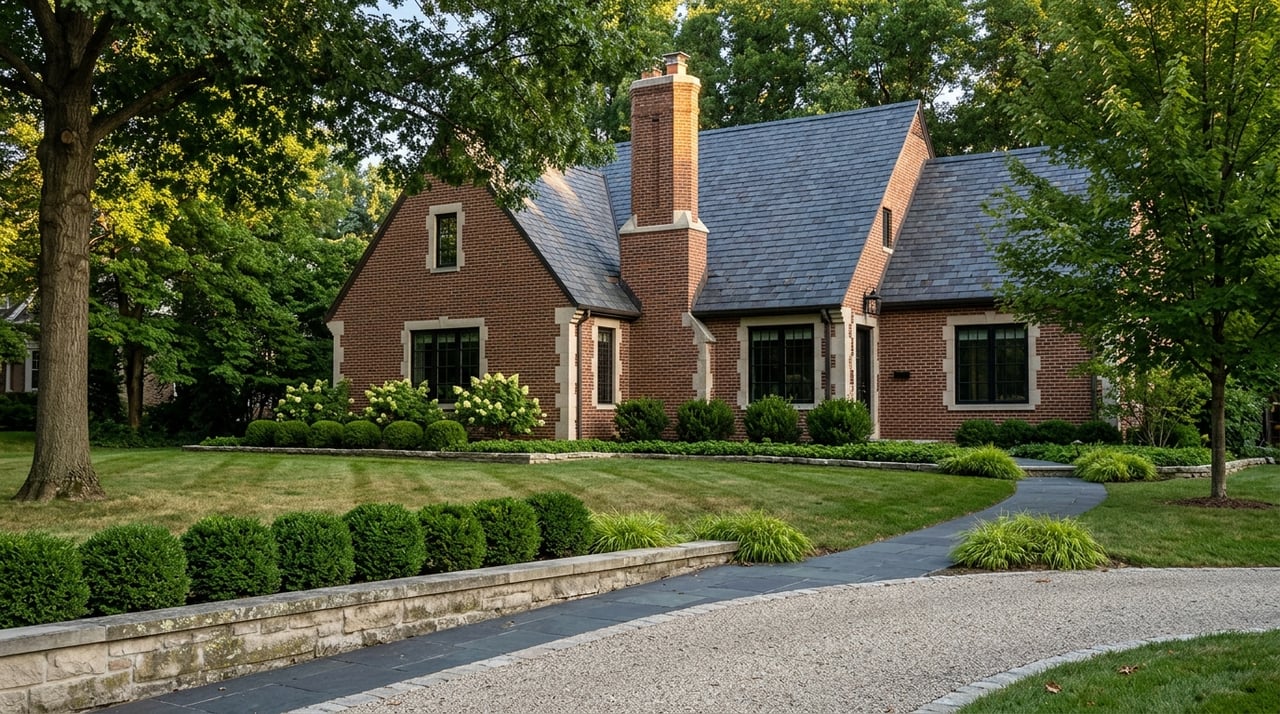
Meridian Hills and Williams Creek are not one-size-fits-all markets. Official community descriptions highlight mature trees, winding streams, hilly terrain, large lots, and individually designed homes that create a secluded residential setting. That means your home is competing on more than beds, baths, and updates.
In this part of Washington Township, buyers often respond to the full property experience. The approach to the home, the privacy of the lot, the canopy of trees, outdoor living areas, and architectural character can all shape perceived value. For many sellers, that makes preparation and presentation especially important.
The first step is a detailed walkthrough of your home and property. This is where you identify what should be done before listing, what can wait, and which details are most likely to influence buyer confidence.
A strong pre-list plan usually starts several weeks before launch. That gives you time to organize repairs, gather records, and create a clean strategy instead of rushing to market.
In Meridian Hills and Williams Creek, buyers often notice both cosmetic polish and maintenance history. Recent area listings have highlighted items such as new roofs, sewer lines, drainage work, windows, updated electric service, insulation, driveways, and remodeled kitchens and baths.
That does not mean you need to renovate everything. It does mean you should pay close attention to the items that affect first impressions and signal solid upkeep.
Common pre-list priorities may include:
Paperwork can slow a sale if you wait too long. In these neighborhoods, that matters even more when the property has a larger lot, an older home, multiple parcels, or association rules.
Start collecting the documents a buyer may ask for before the home goes live. This helps the listing process feel smoother and can reduce surprises once offers start coming in.
Depending on the property, your file may include:
For estate-style properties, verify parcel numbers and legal descriptions early. One local Williams Creek estate example involved multiple parcels, which is a good reminder that title and survey coordination may take more time than a typical resale.
Disclosure timing matters. Indiana generally requires sellers of one- to four-unit residential property to complete the seller’s residential real estate sales disclosure form, sign it, and deliver it to a prospective buyer before an offer is accepted.
Indiana’s instructions also say the sales disclosure form must be reviewed by the county assessor for completeness before the county auditor accepts the conveyance document. That is one more reason to prepare early instead of treating paperwork as a last-minute task.
Many homes in Meridian Hills and Williams Creek were built decades ago. If your home was built before 1978, lead-based paint rules apply.
Buyers should receive the lead information pamphlet and sign a disclosure about known hazards before purchase or renovation of pre-1978 housing. For older homes, a complete pre-list packet can help keep the transaction moving.
Pricing is one of the most important decisions you will make. Broad regional numbers can give useful context, but they should not replace property-specific analysis in Meridian Hills or Williams Creek.
Spring 2025 MIBOR data for central Indiana showed rising median sales prices, a 98.8% list-to-sale price ratio in May, a median 10 days on market, and about a 1.7-month supply of single-family inventory. That suggests a market where presentation and pricing still matter, even when inventory is relatively tight.
Local sales examples show a wide spread in outcomes. Recent examples ranged from just under $500,000 to nearly $1.5 million, with time on market varying from several weeks to several months.
That spread appears to reflect condition, lot size, setting, and architecture more than neighborhood name alone. In other words, two homes in the same area can perform very differently depending on how they show and how they are positioned.
A sound pricing strategy should account for:
In these neighborhoods, the property setting is part of the story. A buyer is not only assessing the interior. They are also reacting to the wooded drive, the front approach, the backyard, the terraces, the deck, and the way the home sits on the land.
That is why photography should capture more than the front door and the kitchen. It should help buyers understand the experience of the property.
Recent listings in the area often emphasize:
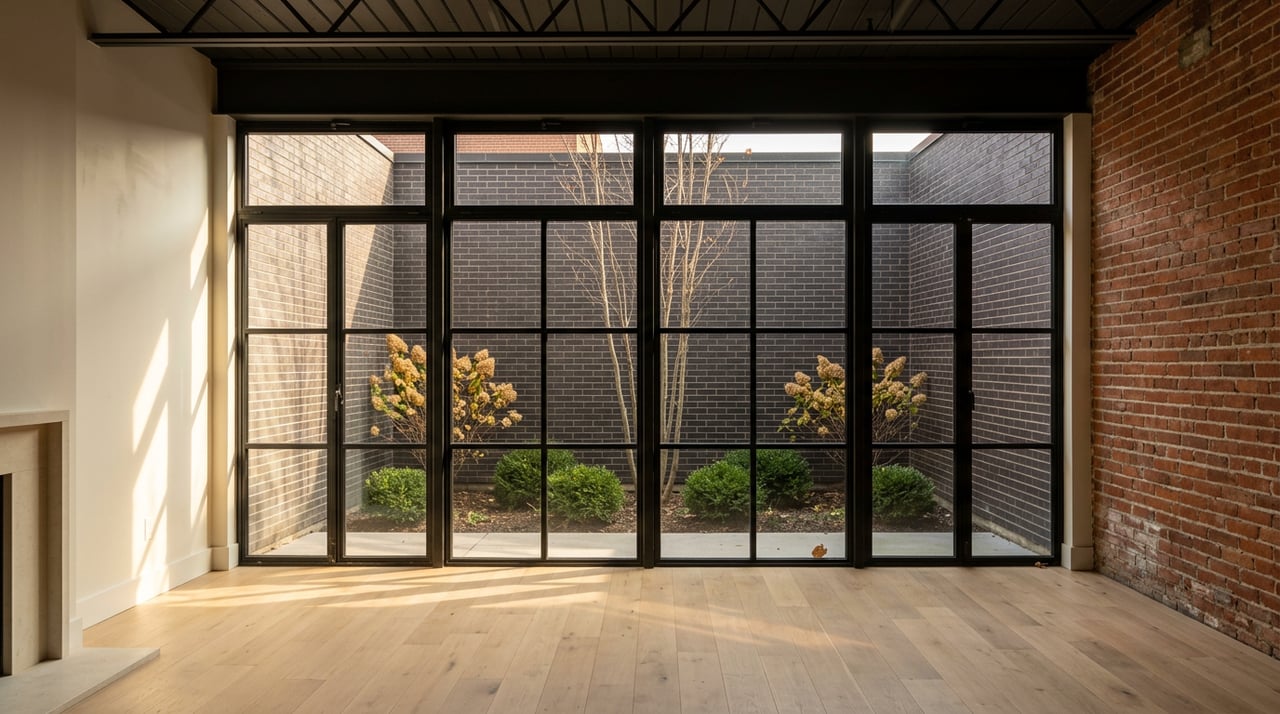
Before photography, make sure exterior spaces are clean, simple, and well defined. Inside, focus on light, flow, and a layout that feels calm and easy to understand.
The first weekend on market matters. A polished launch can help you capture early attention and avoid the need for quick price corrections or rushed updates after the listing goes live.
That is where a concierge-style process can be especially useful. When staging, vendor work, paperwork, pricing, photography, and timing are aligned in advance, your home enters the market in a stronger position.
A thoughtful launch often includes:
This step is about reducing friction. The easier it is for buyers to understand the home’s value, the better your launch can perform.
Once your home is active, showings become your window to make a strong impression. In Meridian Hills and Williams Creek, buyers are often evaluating the setting as much as the floor plan, so every showing should support that experience.
Keep the home clean, bright, and easy to access. If your property has a standout exterior approach, mature landscaping, or private outdoor spaces, make sure those features feel visible and well cared for during each showing.
The highest offer is not always the strongest offer. When offers come in, it helps to look at the entire package rather than focusing only on the number.
Important terms may include financing strength, appraisal risk, inspection scope, repair expectations, and closing flexibility. In a unique-property market, those details can have a major impact on how smooth the transaction feels from contract to closing.
When reviewing offers, look closely at:
A clean, well-supported offer may put you in a better position than a higher offer with more uncertainty attached.
Once you accept an offer, the process shifts from marketing to execution. This phase often includes inspections, appraisal coordination, title work, final walk-through, and utility transfer.
If your disclosures and supporting documents were prepared early, you are already ahead. That preparation can make the transaction feel more predictable and help limit delays.
Most sellers should be ready for:
In pre-1978 homes, the lead disclosure packet should already have been delivered. In Indiana, the seller disclosure process should also already be in place before you reach this point.
These communities reward thoughtful preparation. Because homes can vary widely by architecture, condition, setting, and lot character, a step-by-step listing process helps you present your home accurately and competitively.
It also helps buyers understand the complete value of what you are offering. In a market where privacy, mature landscaping, and distinctive homes are part of the appeal, that clarity can make a real difference.
If you are thinking about selling in Meridian Hills or Williams Creek, a neighborhood-focused plan can help you prepare with confidence, prioritize the right updates, and launch in a way that reflects your home at its best. When you’re ready for a tailored strategy, connect with Allison Steck for thoughtful guidance and a concierge-level approach.
Stay up to date on the latest real estate trends.




Allison offers her clients both the expertise to effectively compete in the changing market, and an elevated level of service that is unmatched in the business.