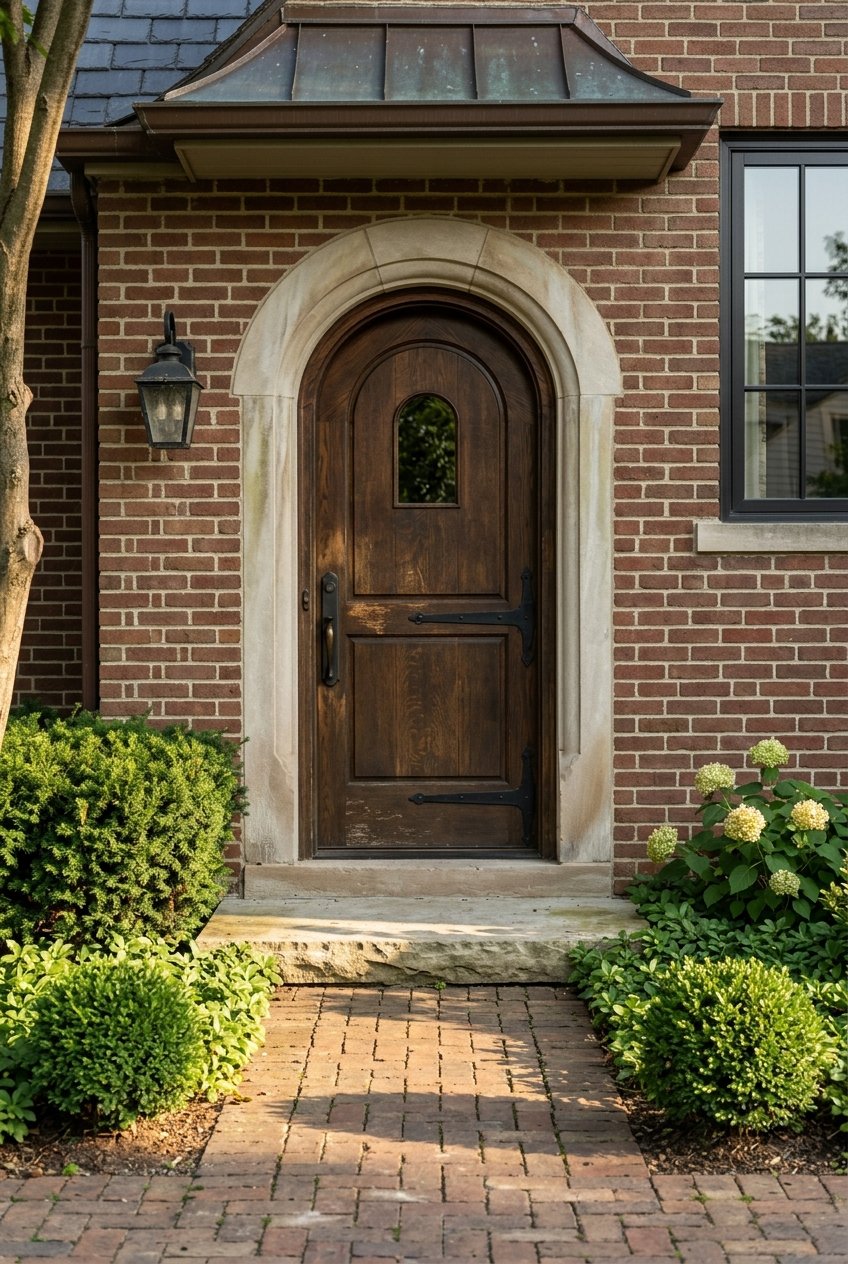
Preparing A Historic Meridian Kessler Home To Sell Well
June 11, 2026
June 11, 2026
Wondering whether to update, repair, or simply leave well enough alone before selling your Meridian-Kessler home? In a neighborhood where original windows, masonry, porches, and trim often shape first impressions, the wrong prep work can be just as costly as skipping repairs altogether. If you want to sell well without stripping away the character buyers value here, a thoughtful plan matters. Let’s dive in.
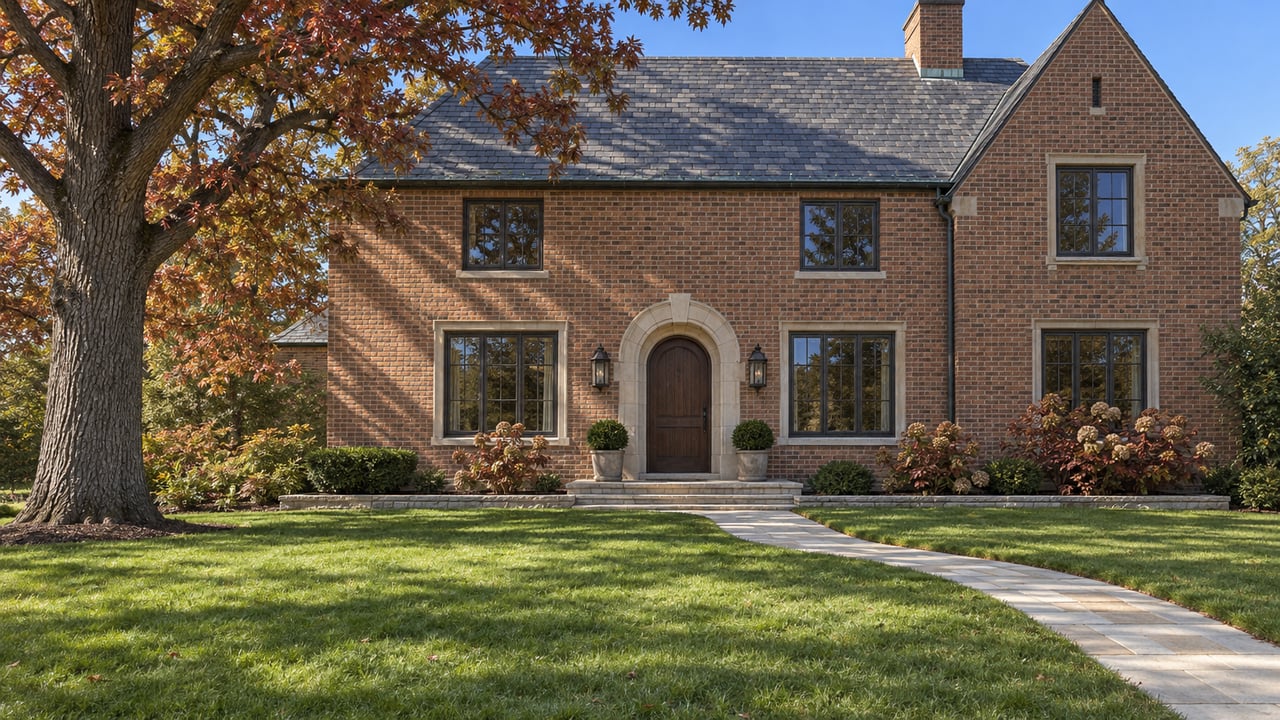
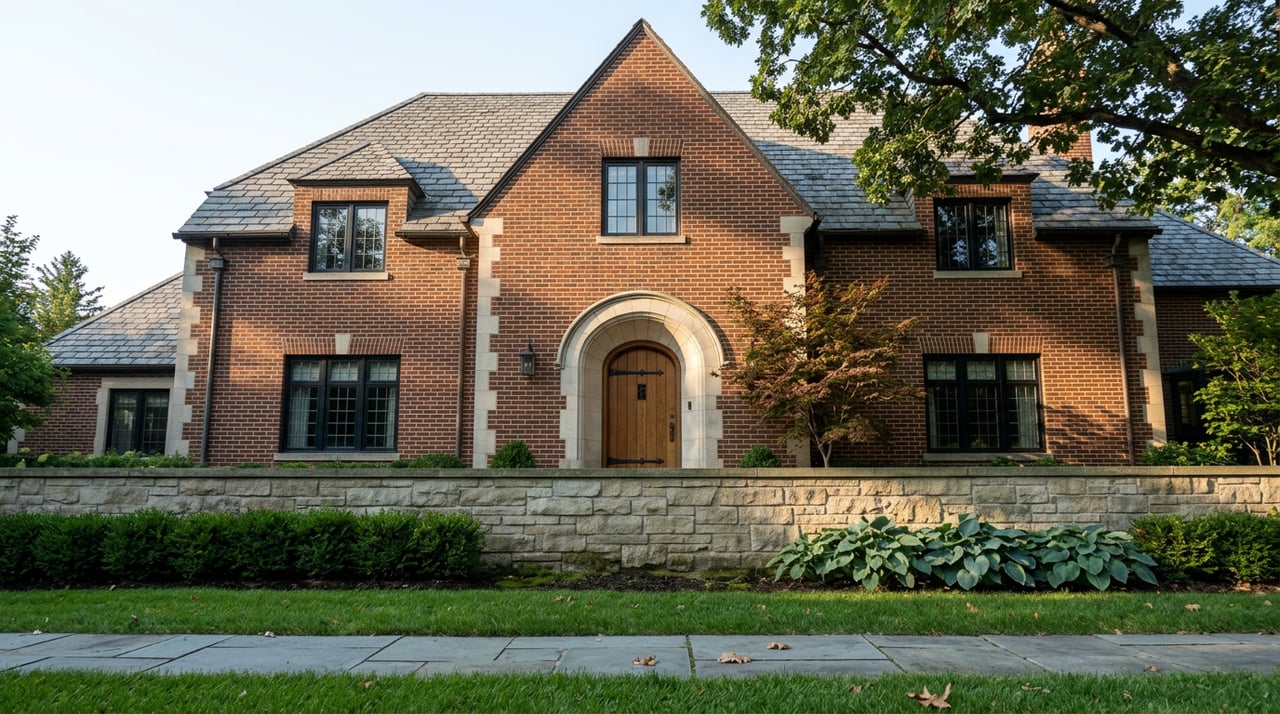
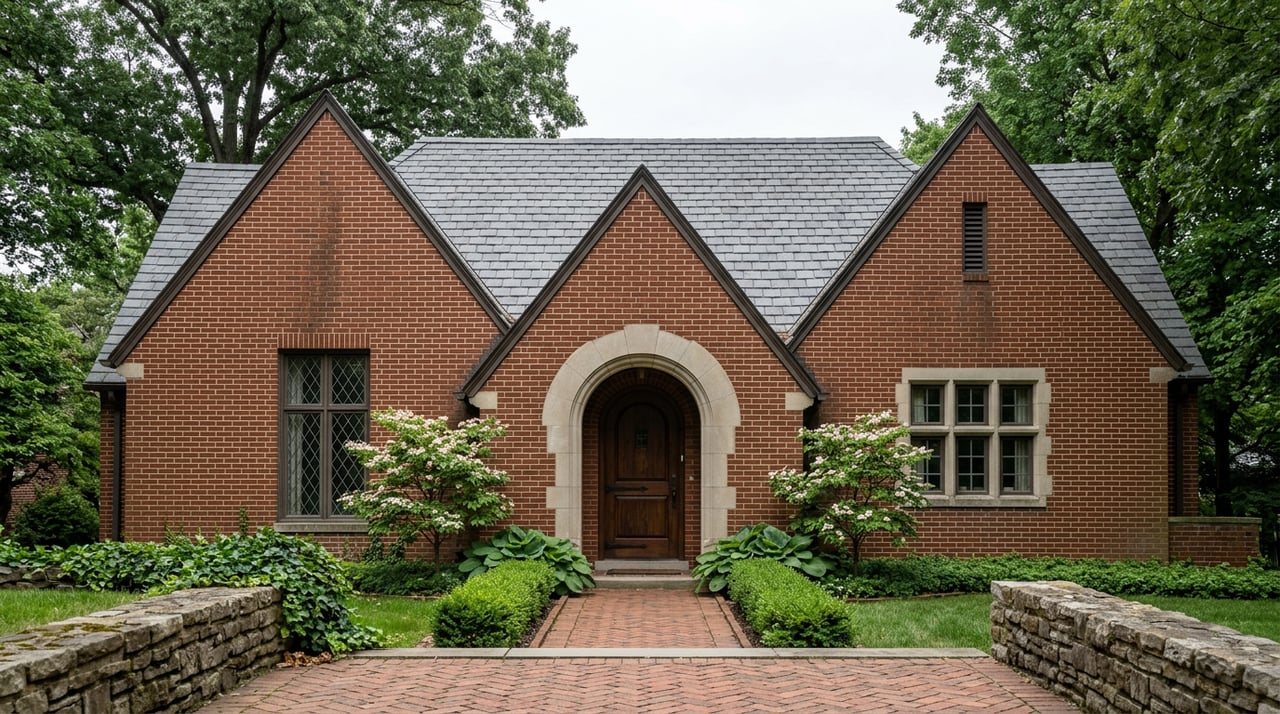
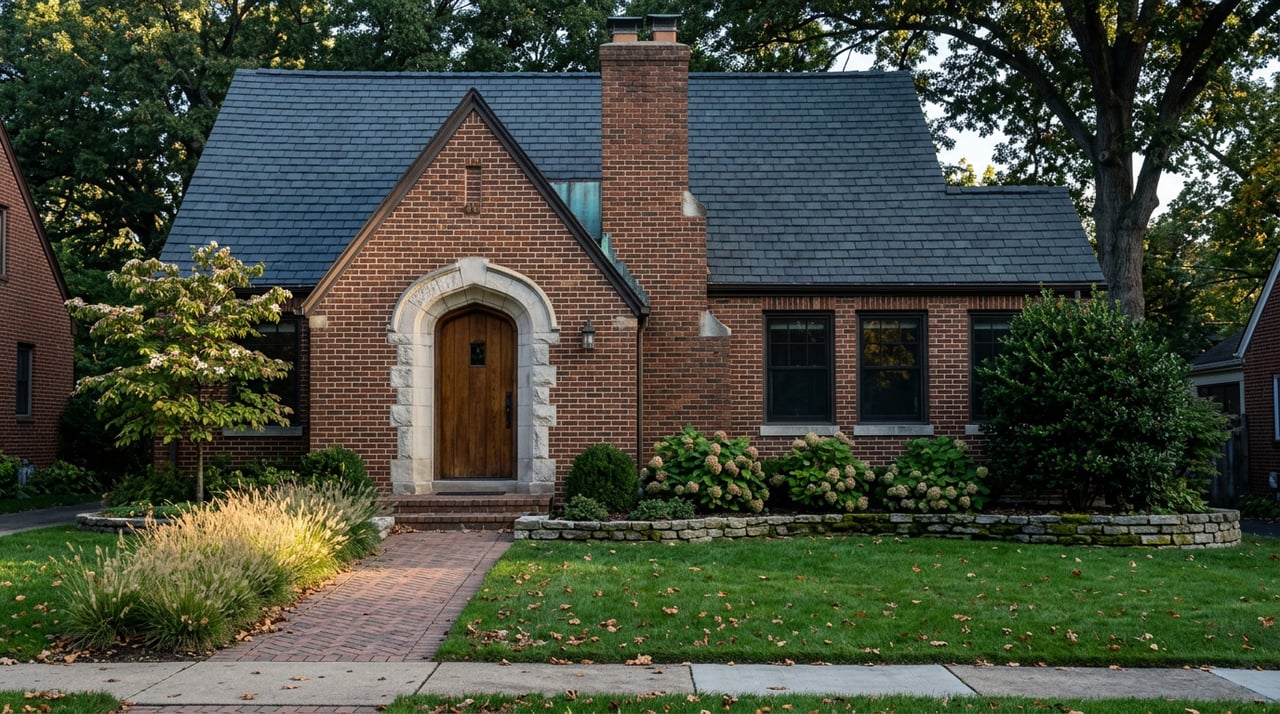
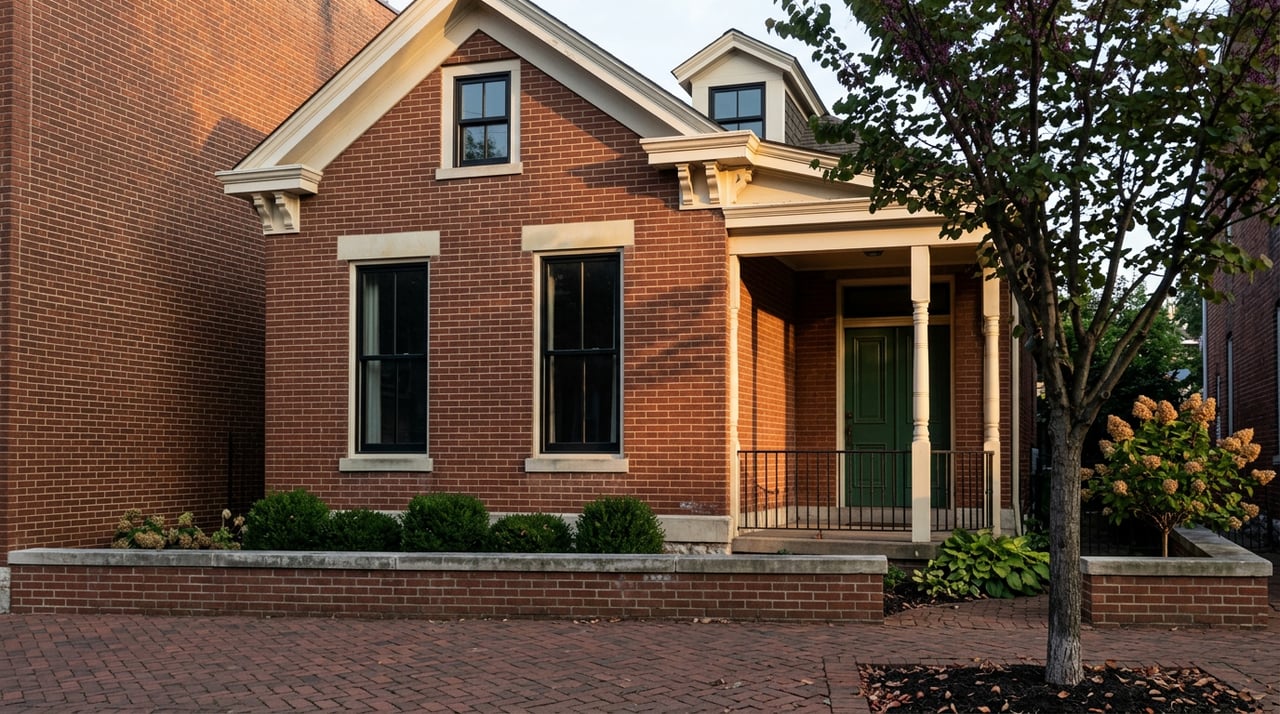
Meridian-Kessler grew most rapidly in the 1920s and 1930s, and that history still shows up in the homes buyers notice today. American Foursquares, bungalows, Colonial Revival, Tudor Revival, and Classical Revival homes all bring distinct details that help a listing stand out.
In this area, original features often carry real visual weight. Window proportions, porch details, rooflines, trim, and masonry can shape how buyers respond to a home before they ever step inside.
The neighborhood also attracts buyers who value day-to-day livability. Walkable streets, access to the Monon Trail, and proximity to shopping and dining all support a lifestyle that feels both historic and practical.
Before you make exterior changes, verify whether your address falls within a local historic-preservation district. Meridian-Kessler is not one single historic district, so rules can vary from one property to the next.
This step matters because a home can be older or located in a National Register district without being subject to the same local review requirements as a home in a local preservation district. If your home is in a covered district, Indianapolis requires an Improvement Location Permit and a certificate of appropriateness before structural work.
That means projects like replacing windows, rebuilding a porch, changing a roof, or altering exterior materials may take more planning than you expect. If you are preparing to list on a timeline, it is smart to confirm this early.
For many historic homes, repair-first is the best starting point. That approach helps preserve the features that give the house its identity while also reducing the risk of mismatched updates.
This is especially true for windows. Historic window design, trim, and proportions are often part of a home’s curb appeal, and replacement should not be your first move if repair is still possible.
If replacement is unavoidable, the new window should closely match the original in design, color, texture, and, where possible, materials. In a character-driven neighborhood like Meridian-Kessler, that level of compatibility can make a big difference in how the home shows.
Buyers often notice windows from the curb and again in listing photos. When the originals fit the architecture, keeping that look intact helps the home feel authentic.
A rushed window swap can change the face of the house. If the profiles, grids, or trim details feel off, the exterior can lose some of the charm that makes historic homes here so appealing.
Brick and mortar also deserve a careful approach. Cleaning should use the gentlest effective method, and repointing should target only deteriorated mortar with compatible materials.
Trying to make old masonry look brand new can backfire. Over-cleaning, harsh treatments, or repointing for a perfectly uniform look may create a finish that feels less consistent with the home’s age and style.
Some exterior features carry more architectural importance than others. Rooflines, window openings, massing, and visible cladding choices all help define how a historic house reads from the street.
When you are preparing to sell, modest compatible repairs are usually safer than bigger design changes. A porch alteration, roof reshaping, or material change that disrupts the home’s original rhythm can affect both presentation and buyer perception.
Roof questions are part of Indiana’s residential sales disclosure form, including age, leaks, present damage, and whether the home has more than one layer of shingles. That makes roof condition both a visual issue and a disclosure issue.
If you already know the roof has active concerns, address them before your home hits the market whenever possible. Buyers tend to react strongly to visible roof wear, and unresolved issues can quickly shift attention away from the home’s strengths.
Early planning also helps you avoid last-minute decisions. If work is needed, you will have more time to make compatible choices and gather records that support clear communication later.
In Meridian-Kessler, buyers are often drawn to homes that feel authentic and well maintained. They are not necessarily looking for a generic flip. They want to see character, but they also want confidence that the home has been responsibly cared for.
That means your prep work should support two goals at once:
This balance matters in the current market. Available snapshots show an active market where some homes receive multiple offers, but pricing and condition still play a major role in how a listing performs.
Meridian-Kessler has strong architectural appeal, but charm alone does not guarantee top results. Market snapshots from early 2026 suggest an active environment, yet they also reinforce that sellers should not be casual about pricing or condition.
A well-prepared home is easier for buyers to understand and easier for them to value. When the character is intact, maintenance is visible, and the price reflects the home’s condition and features, the listing can attract stronger interest.
This is where a neighborhood-specific strategy helps. Preparing a historic home for market is not just about fixing items on a checklist. It is about knowing which details protect value and which updates may not serve your sale.
Historic homes usually come with more nuance than newer properties. Starting early gives you time to sort repairs, verify any district requirements, and organize documentation before buyers begin asking questions.
A smart pre-listing checklist may include:
This kind of preparation can reduce stress later. It also helps your home enter the market with a stronger story, one that reflects both preservation and care.
Indiana requires sellers of most one- to four-unit residential properties to complete and sign the sales disclosure form before an offer is accepted. Sellers also must disclose any material change in condition at or before settlement.
For a Meridian-Kessler homeowner, that makes recordkeeping especially helpful. If you know the age of the roof, have addressed water intrusion, repaired masonry, or documented past alterations, that information can support a smoother sale.
Clear disclosure is not just a legal formality. It builds trust and helps buyers feel more comfortable moving forward on an older home.
The best Meridian-Kessler listings usually do not try to turn a historic home into something it was never meant to be. Instead, they respect the architecture, make compatible repairs, and present the property as a well-maintained home with lasting character.
If you are thinking about selling, a thoughtful plan can help you decide what to repair, what to leave alone, and what buyers are most likely to value. With the right strategy, you can protect the details that make your home special while positioning it for a strong market debut.
If you are getting ready to sell in Meridian-Kessler and want a neighborhood-specific plan for pricing, preparation, and presentation, Allison Steck can help you prepare your home for market with clear guidance and concierge-level support.
Stay up to date on the latest real estate trends.
Allison offers her clients both the expertise to effectively compete in the changing market, and an elevated level of service that is unmatched in the business.