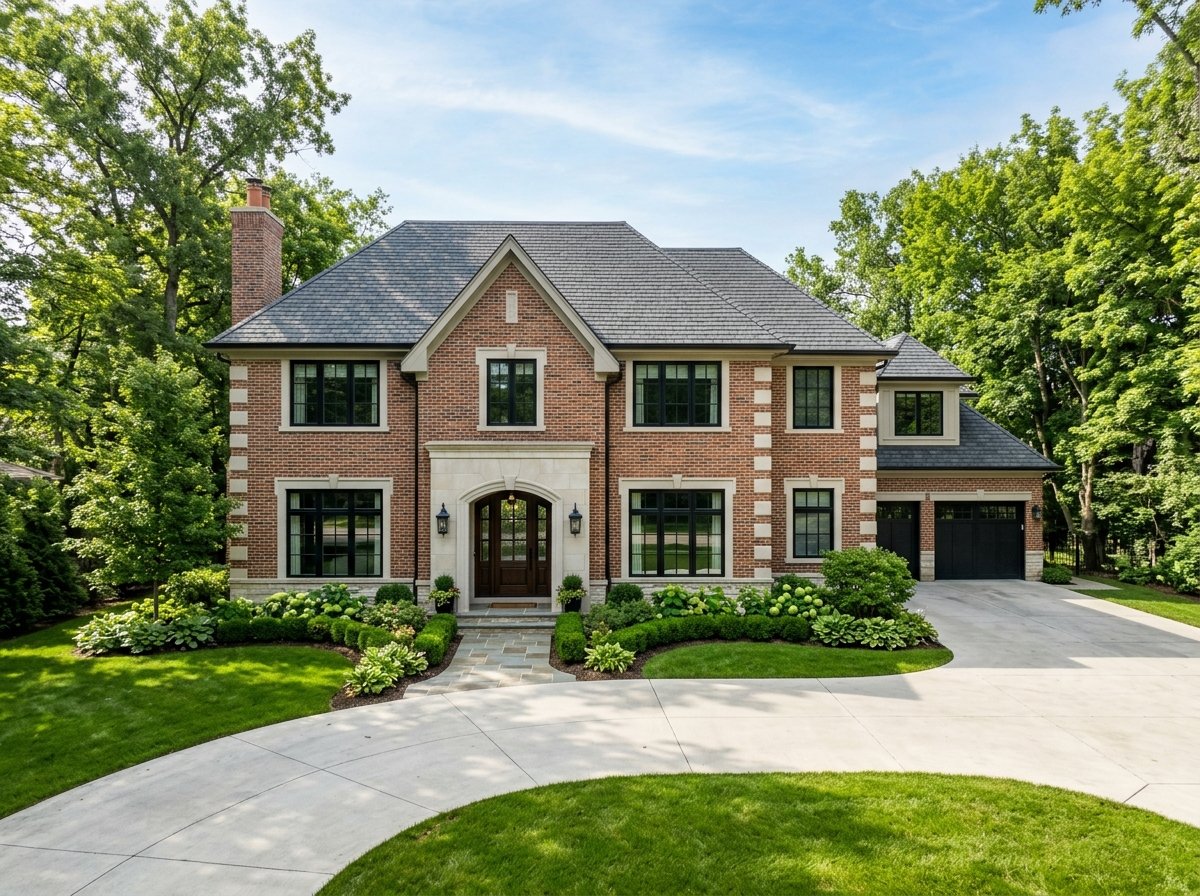
Zionsville Village vs. Newer Subdivisions: Which Fits?
July 23, 2026
July 23, 2026
Trying to decide between a home in Zionsville’s Village and one in a newer subdivision? You are not just choosing between older and newer construction. You are choosing between two different daily routines, two different lot patterns, and two very different neighborhood layouts. If you want a clear, practical way to compare them, this guide will help you sort through walkability, lot size, home style, yard use, and what life may feel like in each setting. Let’s dive in.
Zionsville’s Village is the town’s historic core, shaped first as an 1852 railroad town with an original plat of 65 lots near what became Main Street. Over time, the area grew through additional plats and infill, which created a more layered streetscape than you typically see in newer planned neighborhoods. That history still shows up today in the homes, lot lines, and street pattern.
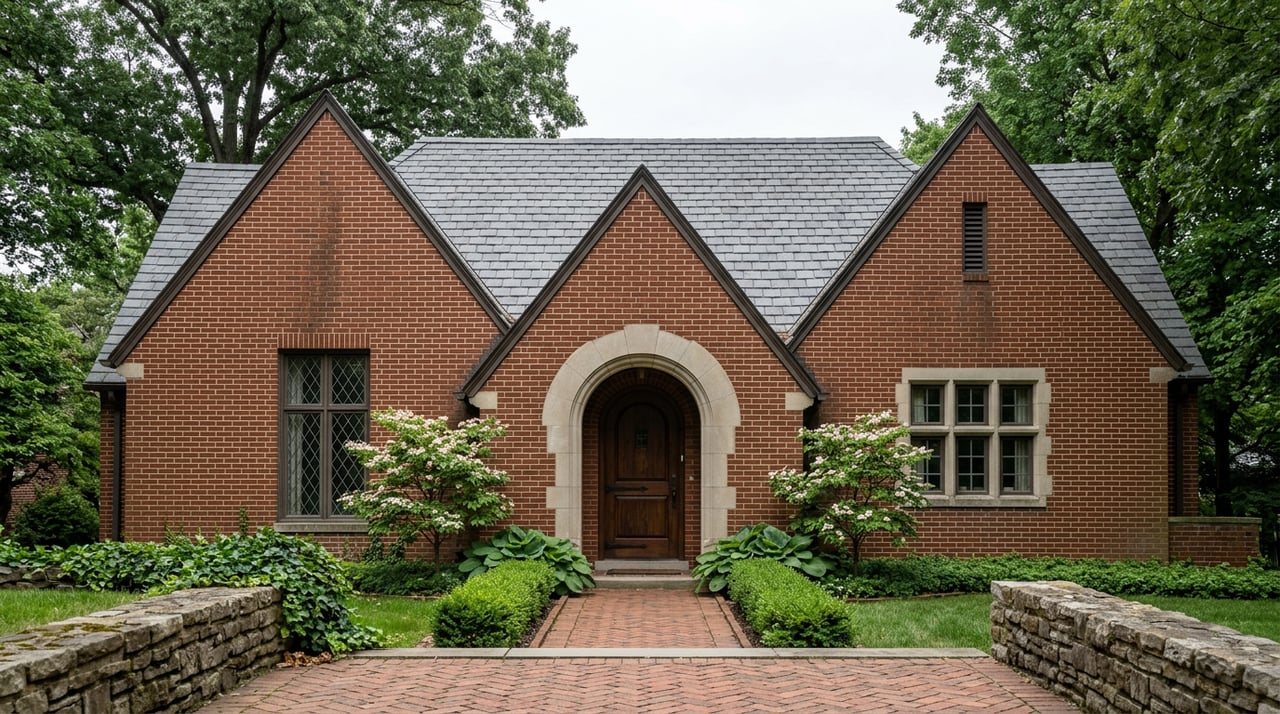
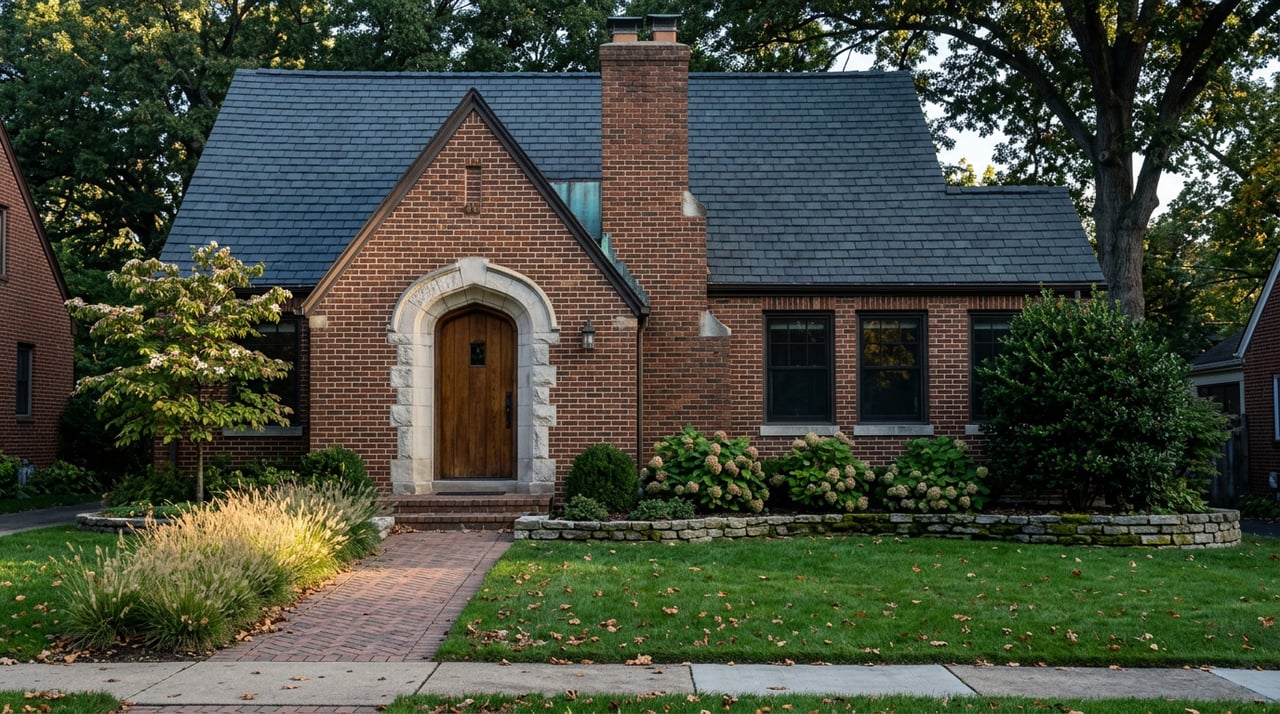
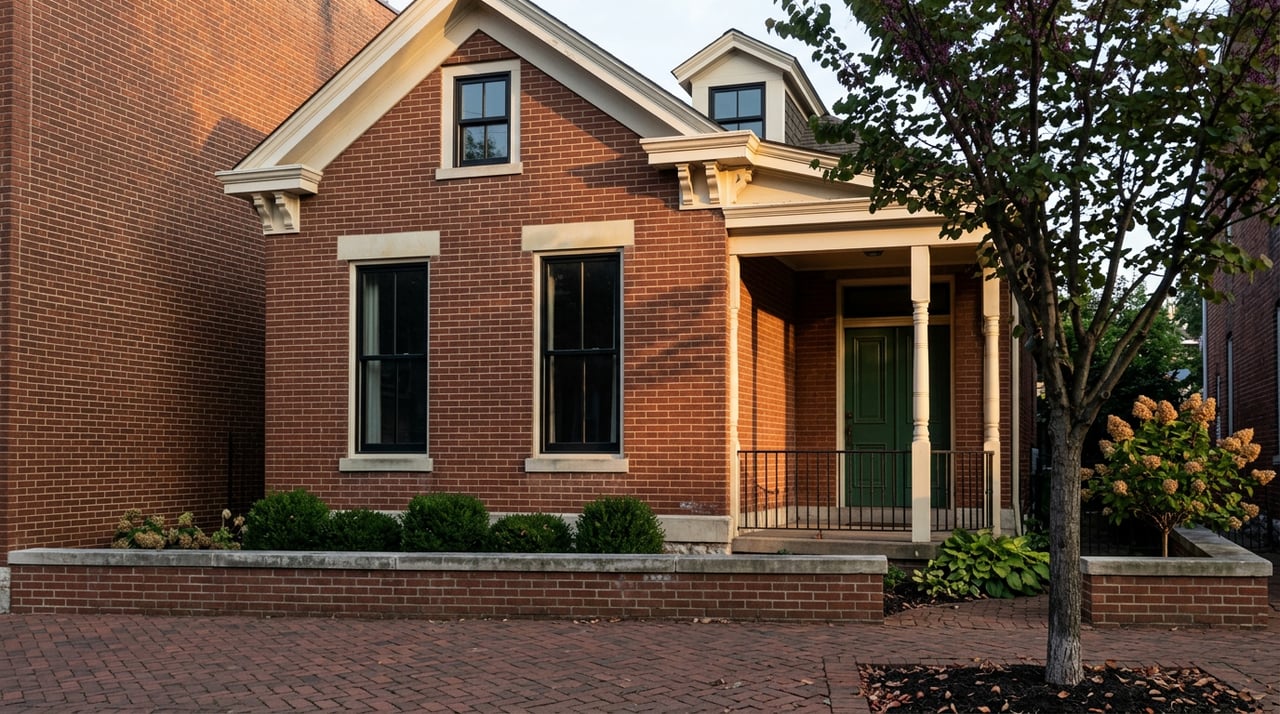
The Village also stands apart for its architecture. The 2021 historic district survey identifies a broad mix of styles, including Bungalows, American Small Houses, Gable-front homes, Carpenter-Builder homes, Colonial Revival, Queen Anne, Italianate, Greek Revival, Craftsman, and Prairie examples. If you enjoy homes with distinct character and a less uniform look from one block to the next, that is a major part of the appeal.
Just as important, the Village supports one of the most walkable lifestyles in Zionsville. The town’s Comprehensive Plan describes the Village Business District as the historic commercial core centered on Main Street, with roughly 175 businesses including restaurants, coffee shops, boutiques, galleries, and specialty goods. In practical terms, that means more everyday outings can happen on foot instead of by car.
The setting adds to that experience. The Village sits near Lions Park, hosts events like the farmers market and Brick Street Market, and remains a focal point for community activity. Zionsville also has more than 30 miles of multi-use trails, and the town continues to improve pathway and pedestrian connections into and around the Village.
One of the biggest differences is not always the house itself. It is the lot around it. In the Village Residential district, standards include a 5-foot minimum side yard setback, a 15-foot aggregate side-yard setback, and 35% maximum lot coverage.
Those numbers matter because they help explain why Village homes often feel closer together and why additions can be more complicated. Recent Board of Zoning Appeals cases show that projects like porch additions, garage expansions, patios, and home additions may need variance review in this district. If you are hoping to make major changes later, it is smart to understand that older parcels may come with tighter building envelopes.
That does not mean the Village is a poor fit. It simply means the tradeoff is real. You may gain charm, proximity to Main Street, and an established streetscape, while giving up some flexibility for future expansion.
If you picture every newer neighborhood as rows of similar homes on similar lots, Zionsville is more nuanced than that. Many newer communities are approved as planned unit developments, or PUDs, with project-specific standards. As a result, lot sizes and housing formats can vary quite a bit from one subdivision to another.
For example, The Courtyards at Heritage Trail calls for a minimum lot area of 6,000 square feet, 35 feet of frontage, and 52 feet of lot width. Maple Lane Club of Bradley Ridge shows lot widths from 55 to 80 feet and lot areas from 6,600 to 10,800 square feet. Holliday Farms extends even further, with subareas ranging from 50-foot widths and 7,250-square-foot lots up to 150-foot widths and 20,000-square-foot lots.
That range is important for buyers. In Zionsville, a newer subdivision might mean a compact, lower-maintenance home site, or it might mean a much larger homesite with more separation between neighbors. The label “newer subdivision” does not tell the whole story.
Another major difference is how recreation and social space are planned. In the Village, many activities center on downtown, parks, trails, and community events. In newer subdivisions, those features are often built directly into the neighborhood plan.
Planning documents for Holliday Farms describe trails, parks, a championship 18-hole golf course, a 9-hole executive course, and a clubhouse with fitness, swimming, dining, social events, and tennis. Bradley Ridge materials describe a clubhouse, pool, and amenity area, along with a separate nature-preserve use block near Eagle Creek. These communities are designed so that some recreation happens close to home without relying on the downtown core.
Some newer developments are also built around a more compact, amenity-driven concept. The Courtyards at Heritage Trail includes an open-space requirement and a 1.5-story height cap, reflecting a different kind of planned neighborhood than a larger estate-style development. That is why it helps to compare specific subdivisions rather than treating all new construction as one category.
The visual experience between these two options is usually easy to spot. In the Village, homes developed over time, so the streetscape tends to feel more varied. You may see different rooflines, porches, setbacks, and architectural details within the same block.
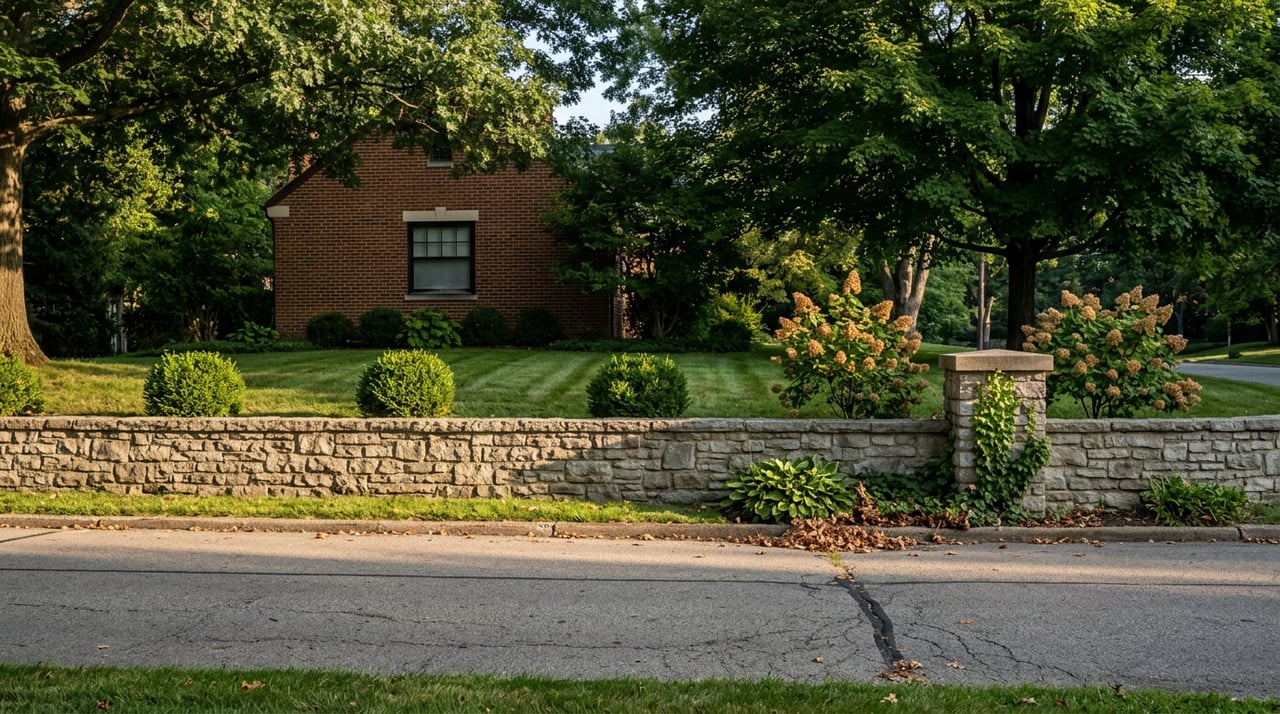
In newer subdivisions, the environment is usually more standardized. Streets, curbs, sidewalks, drainage systems, and building envelopes are shaped by developer-built infrastructure and town design standards. That can create a more predictable neighborhood layout, which many buyers appreciate for ease of use and consistency.
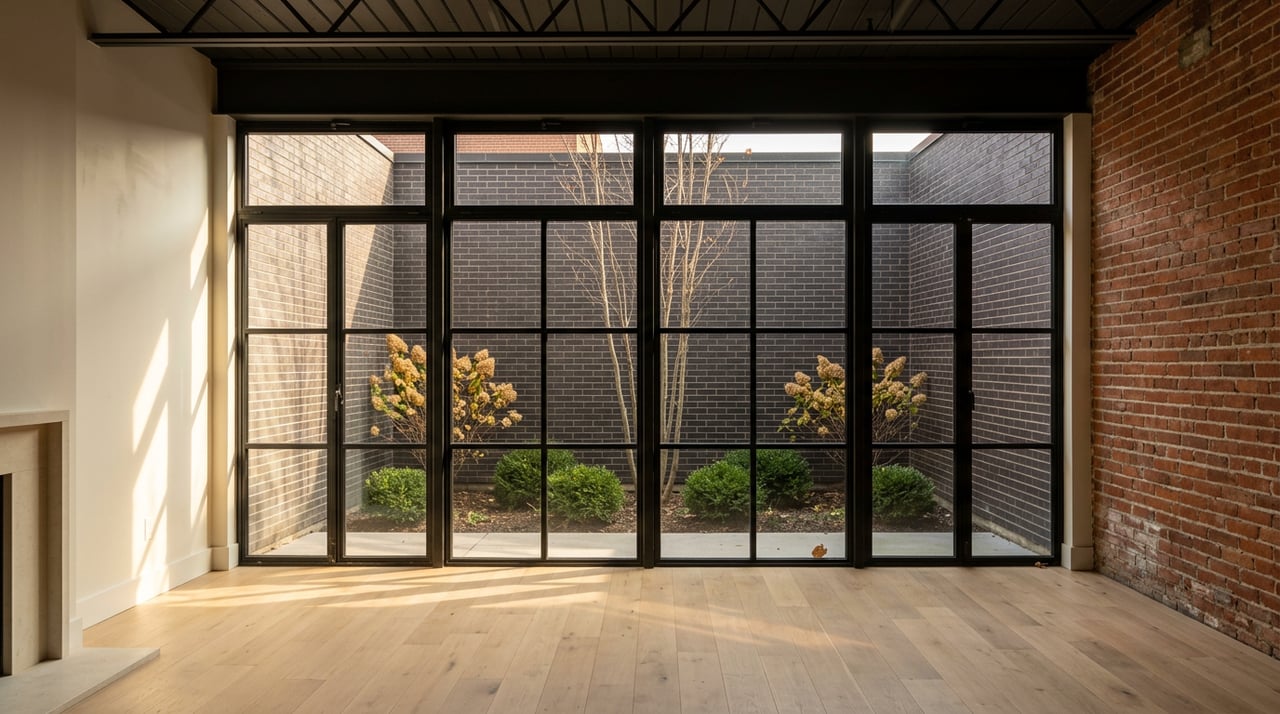
Inside the home, newer construction may also align better with buyers who want contemporary layouts, larger garages, and mechanical systems installed more recently. The research supports the broader pattern that newer subdivisions typically offer more flexibility in lot size and a more planned environment. By contrast, Village homes often come with older architecture and the compromises that can follow from an earlier development pattern.
A helpful way to compare these areas is to think about your regular week, not just your wish list. Where will you go most often? How often do you want to drive for coffee, dinner, errands, or recreation? How much yard space do you want to maintain, and how important is a garage or expansion potential?
For many buyers, the Village is a better fit if you value a pedestrian-scale setting, historic character, and quick access to Main Street businesses and community events. It offers a more compact, connected feel that is hard to duplicate in a planned subdivision.
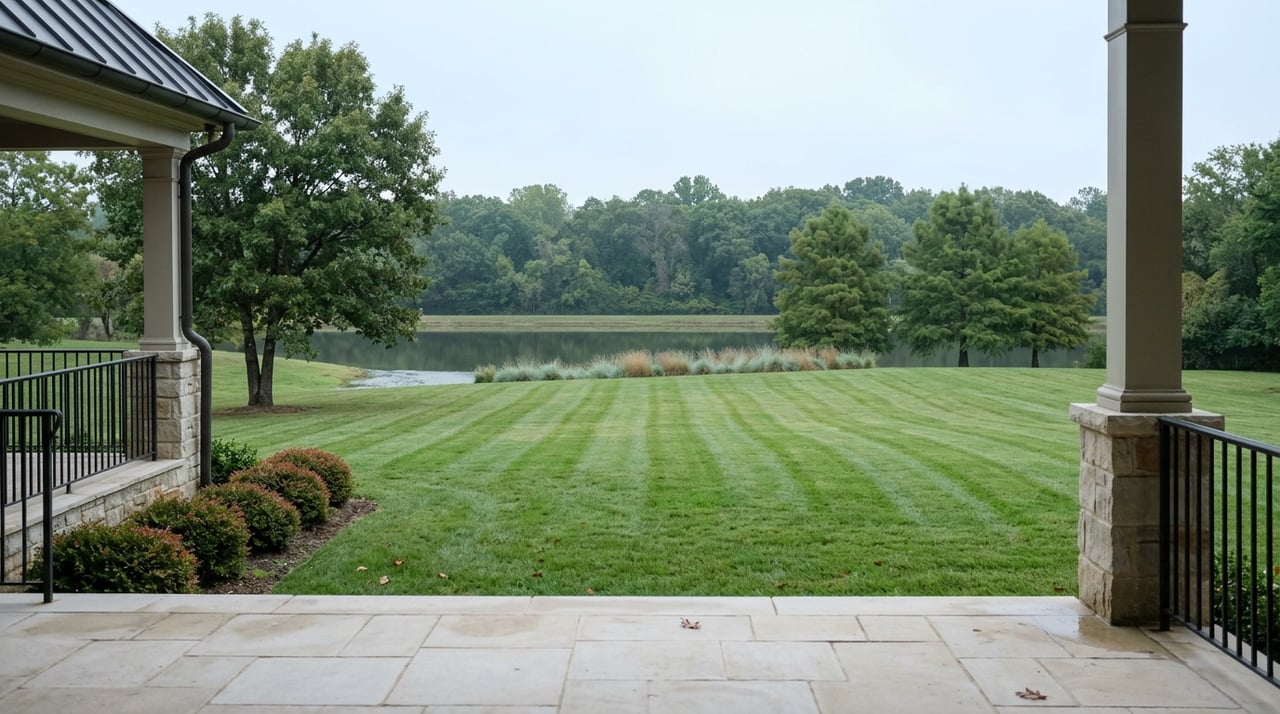
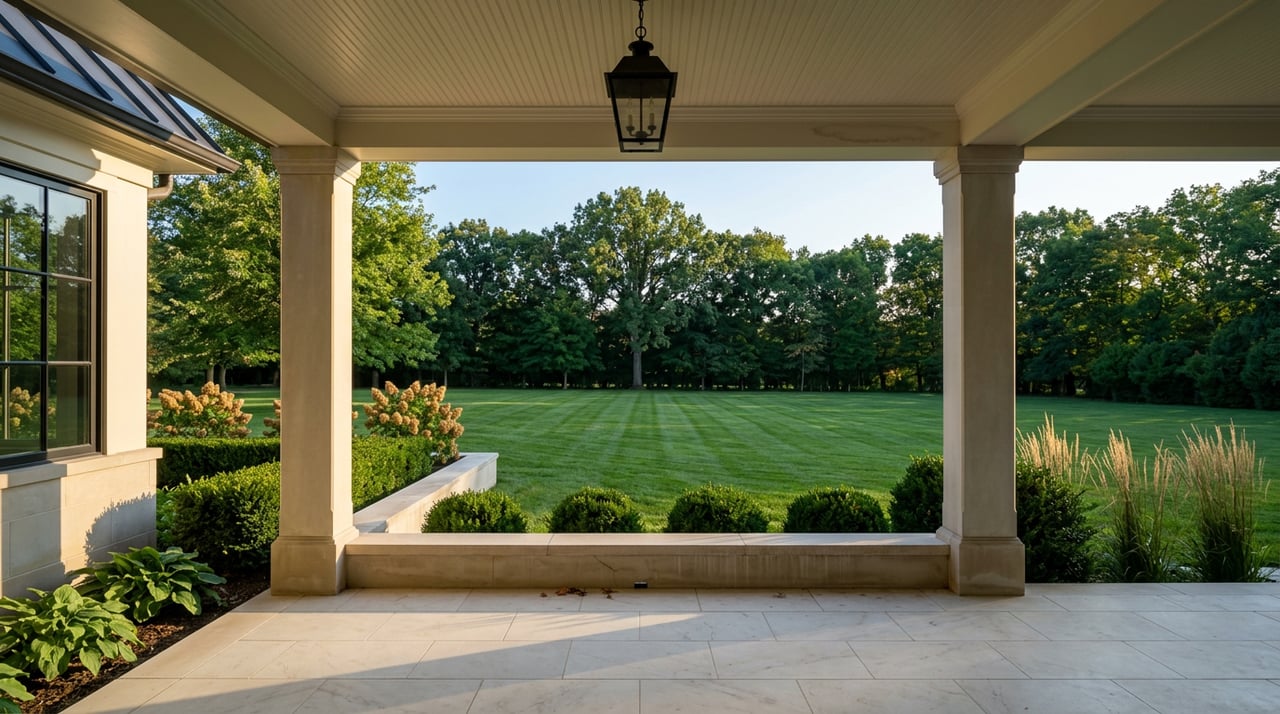
Newer subdivisions may be a stronger fit if you want more lot-size options, neighborhood amenities, and a more structured development pattern. Depending on the community, you may also find a setup that better supports larger yards, newer systems, and more defined outdoor space.
| Feature | Village | Newer Subdivisions |
|---|---|---|
| Overall feel | Historic, layered, compact | Planned, varied by community |
| Home styles | Broad mix of older architectural styles | More standardized by development |
| Lot pattern | Older, tighter, less uniform | Wide range from compact to estate-style |
| Walkability | Strong access to Main Street and daily destinations | Depends on subdivision design |
| Amenities | Downtown businesses, parks, events, trails | Often includes pools, clubhouses, trails, golf, or open space |
| Expansion flexibility | May be limited by setbacks and lot coverage | More defined buildable envelopes, varies by PUD |
| Daily routine | More short trips on foot | More neighborhood-based recreation, more driving for some errands |
No matter which direction you lean, it helps to compare homes with the setting in mind. A beautiful house in the wrong layout for your lifestyle can feel like a mismatch later. In Zionsville, that is especially true because the Village and newer subdivisions function so differently.
As you tour homes, pay close attention to a few practical points:
When you look beyond finishes and square footage, the choice often becomes clearer. You are really choosing the kind of environment that supports your day-to-day life best.
If you are weighing Village charm against newer-subdivision convenience in Zionsville, having a local advisor can make the comparison much easier. Allison Steck offers neighborhood-focused guidance to help you narrow your options and move forward with confidence.
Stay up to date on the latest real estate trends.
Allison offers her clients both the expertise to effectively compete in the changing market, and an elevated level of service that is unmatched in the business.