Why Meridian Hills And Williams Creek Never Got A Main Street
August 13, 2026
August 13, 2026
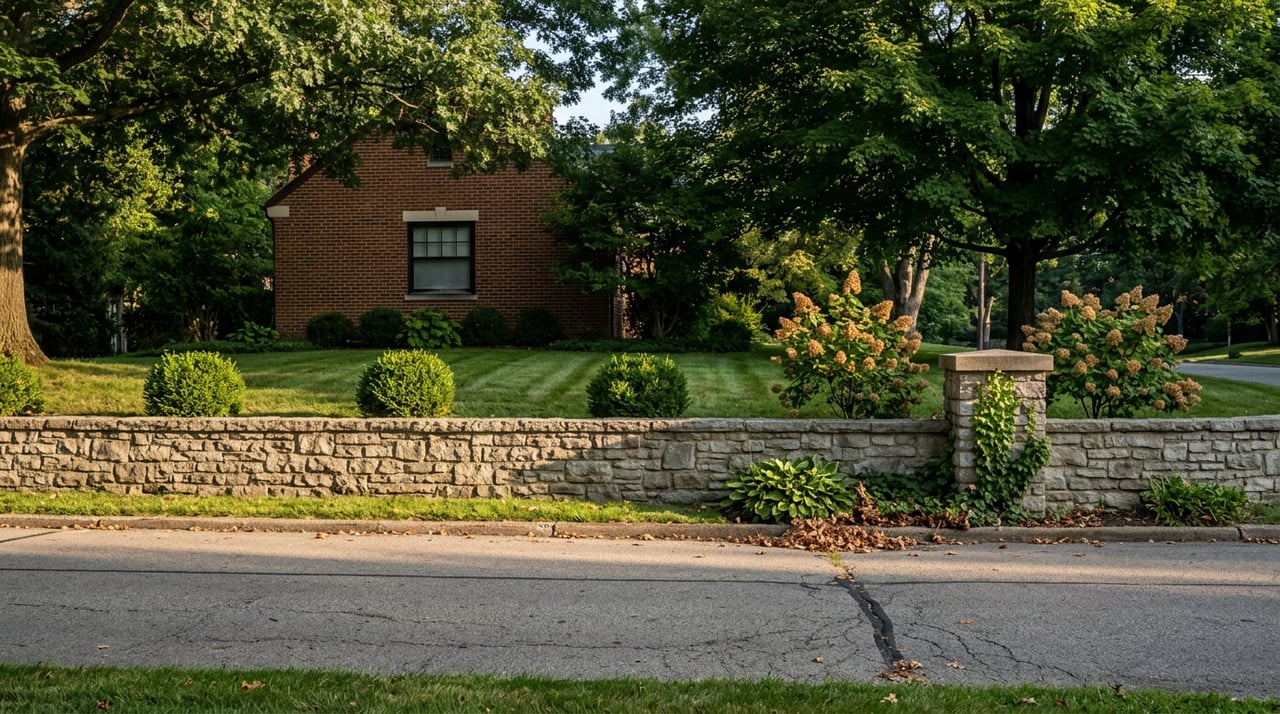
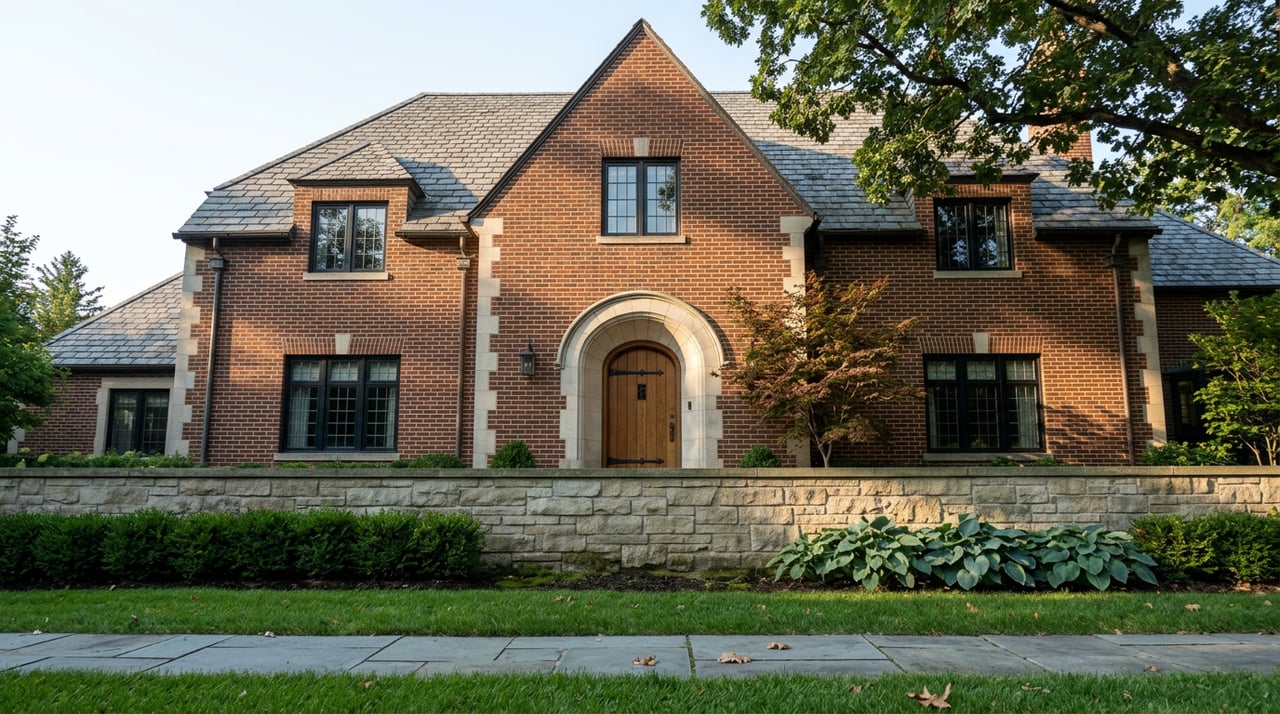
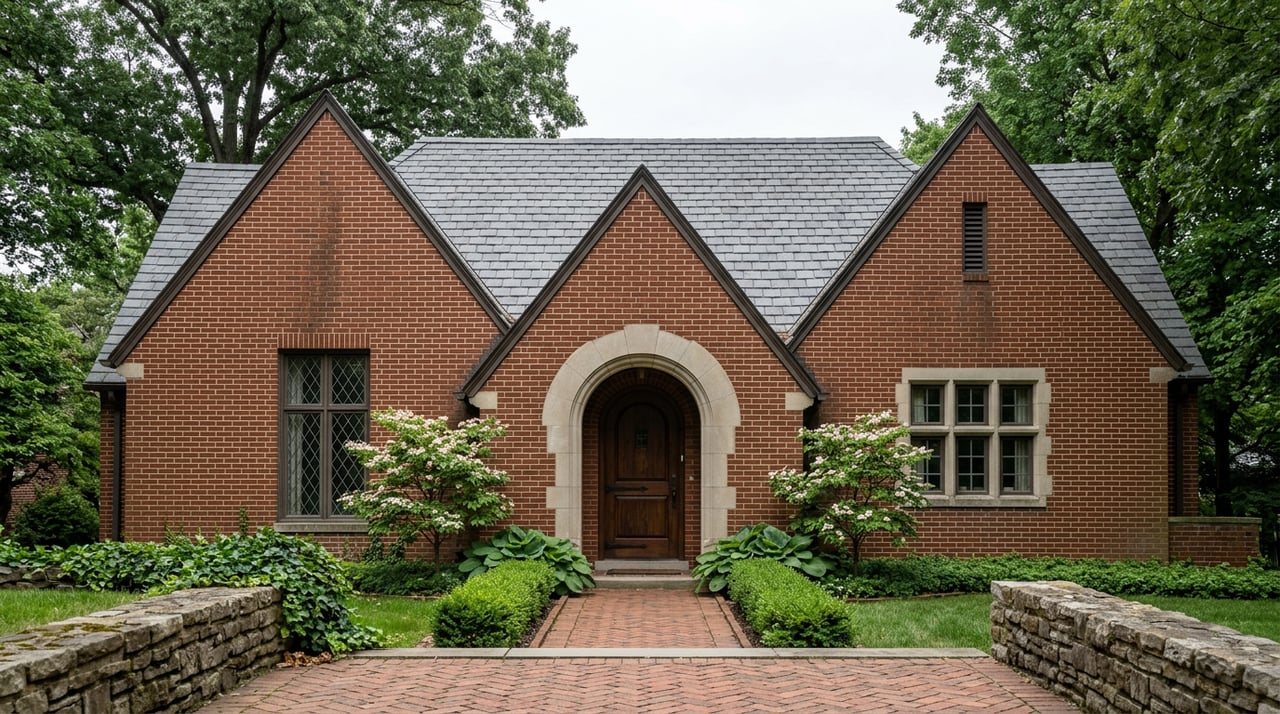
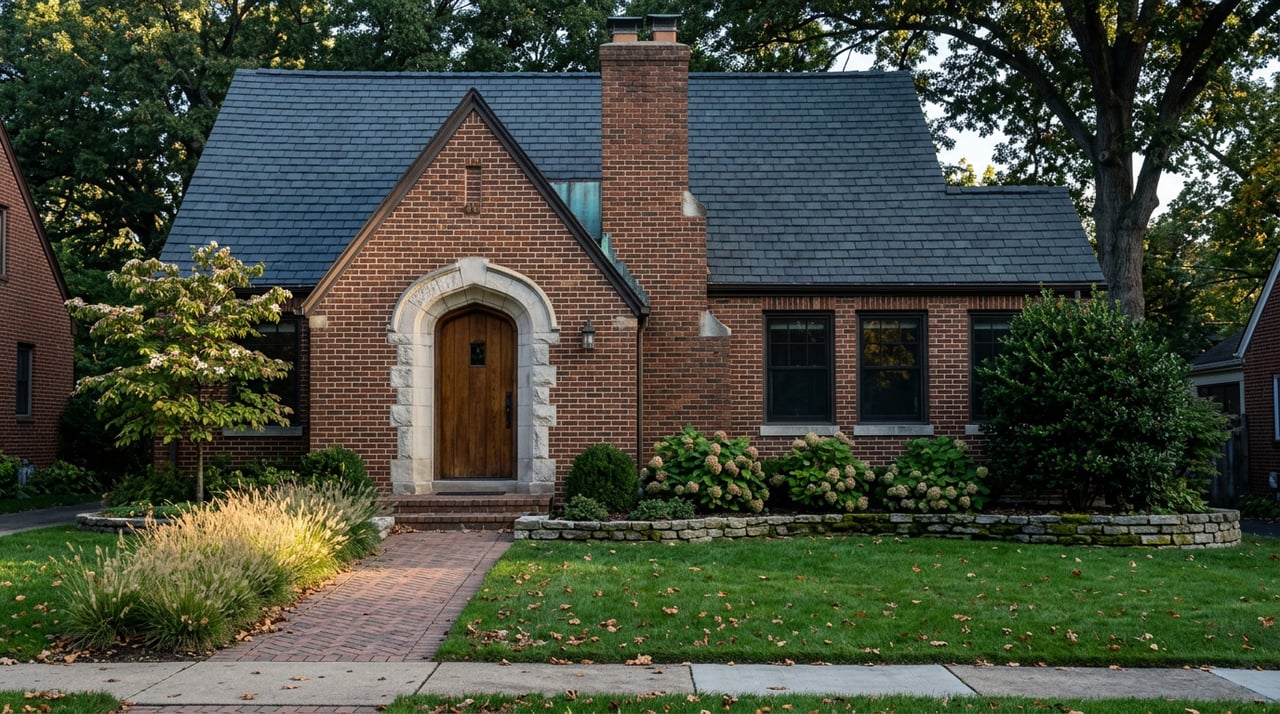
If you have ever walked out your front door in Meridian Hills or Williams Creek looking for a cup of coffee, you already know the punch line. There isn't one. No corner store, no coffee shop, no strip of shops to wander into on a Saturday morning. Just tree canopy, curving roads, and the occasional golf cart crossing toward the club. Most residents chalk this up to the neighborhood's age or its size. The real reason is more specific, and it says something about why the border of these two towns has become one of the more interesting stretches of College Avenue in the city.
The short version: the absence of a business district was not an accident of geography. It was the point of incorporating in the first place.
Before 1937, the land that became Meridian Hills had no formal town government and, notably, no commercial development. According to the Encyclopedia of Indianapolis, the area stayed mostly undeveloped until the Meridian Street bridge over the White River went in during 1933 and 1934, and the residents who were building homes there liked it that way. When they voted to incorporate in 1937, the goal was explicit: stricter zoning to keep nonresidential development out.
That single decision is still visible today. Meridian Hills Country Club, which opened in 1923 according to Wikipedia's history of the town, predates the incorporation vote by fourteen years and remains the only substantial non-residential use inside the town line. Everything else that residents might want on a given weekend, dinner, a trail, a new restaurant to try, sits just outside the boundary the 1937 vote drew. That is not a coincidence. It is zoning working exactly as designed nearly ninety years later.
The clearest proof of this pattern sits at 8110 North College Avenue, just outside Williams Creek. Hollyhock Hill opened in 1928, nine years before Meridian Hills even incorporated. It has operated as a family-style dining room since Mr. and Mrs. V.D. Vincent started serving dinners at their country cottage, and it still runs on that same format today: shared platters, skillet-fried chicken, a menu built around consistency rather than trend, according to the restaurant's own site.
Hollyhock Hill is a useful marker because it shows the pattern predates the policy. The commercial edge along College Avenue existed before the residential town did. The 1937 vote did not create that edge. It just made sure the town itself would never grow to meet it.
A few minutes south of the same corridor is Marott Woods Nature Preserve, 102 acres of second-growth forest that the city has kept in a deliberately wild state since 1961. According to Indy Parks, the preserve is bordered by College Avenue on the west, the Monon Trail on the east, and a channel of the White River on the south. What most residents don't realize is what runs through the middle of it: the Indiana DNR's own site description notes that the preserve's floodplain forest follows Williams Creek itself before it reaches the White River.
In other words, the actual creek that gave the town of Williams Creek its name spends part of its course inside a park that belongs to Indianapolis, not to the town. Indy Parks periodically runs a "Hike with a Naturalist" series at Marott Woods, guided walks that meet at the College Avenue shelter and cover the preserve's older forest and wildflower sections. It is one of the few organized outdoor programs within walking distance of either town, and like the restaurant and the retail, it exists just outside the boundary the residents drew for themselves.
The clearest evidence that the 1937 strategy is still working is that much of the visible change in the area is happening at the edges, not in the middle.
Five minutes down the same corridor, Nora Plaza has spent the past few years rebuilding itself piece by piece. Kite Realty Group bought most of the center for $29 million in 2022, and the redevelopment has been steady since. Culinary Dropout and Flower Child, both under Phoenix-based Fox Restaurant Concepts, opened there in February 2025, according to the Indianapolis Business Journal and the state's own tourism blog. Culinary Dropout marked the chain's first location in the Midwest, an 8,000-square-foot build next to a Whole Foods and a PNC branch. A West Elm had already opened nearby the year before, in 2024. Big Lug Canteen, a longer-standing anchor that opened in 2015, still sits along the Monon Trail a short walk from the newer arrivals, a detail confirmed by Fox 59's coverage of the plaza's ongoing changes.
None of that construction activity touches Meridian Hills or Williams Creek directly. What touches the towns instead is infrastructure. The Town of Meridian Hills' own news page confirms the annual road resurfacing program began June 8 this year, handled by Howard Companies. The same page has been tracking progress on the Pennsylvania Street bridge reconstruction, with beam delivery and installation named as the next major step. That is the extent of what changes inside the town line in a given year: pavement and a bridge. The restaurants, the retail, and the trail programming all happen a few minutes away, on someone else's zoning map.
None of this is a complaint about inconvenience. It is closer to the opposite. The towns get to stay wooded and slow because the commercial energy of the area has somewhere else to go. Residents get Hollyhock Hill's dining room without the parking lot that would come with it inside town limits. They get a 102-acre preserve with a creek and a naturalist program without the town having to maintain any of it. They get a shopping center in active reinvention five minutes away without a single new storefront changing the view from their own front porch.
That is the actual trade the 1937 vote made, and it has held up for almost ninety years. The towns kept their zoning narrow. The border kept getting more interesting. Anyone who has lived here for a while has probably felt this without naming it: the neighborhood itself barely changes year to year, while the streets just outside it keep turning over.
If you want the fuller history of both towns, including how Williams Creek grew alongside Meridian Hills as a separate, smaller community, our neighborhood profile has more detail on how the two came together.
And if you are simply curious what a home inside that line is worth in today's market, given how much the surrounding blocks have shifted, Allison Steck offers a straightforward home valuation with no pressure attached. It is a conversation, not a sales pitch, and it starts with the same local knowledge that explains why your street has stayed exactly the way it has for the better part of a century.
Stay up to date on the latest real estate trends.
Allison offers her clients both the expertise to effectively compete in the changing market, and an elevated level of service that is unmatched in the business.