Guide to Meridian Kessler Architectural Home Styles
Allison Steck April 23, 2026
Allison Steck April 23, 2026
Wondering how to tell a Tudor from a Foursquare when you’re touring homes in Meridian-Kessler? You are not alone. This neighborhood has one of the most varied architectural mixes in Indianapolis, and that variety is a big part of its appeal. If you are planning to buy here, understanding the common styles, floor plans, and renovation considerations can help you focus on the homes that fit your lifestyle and your long-term goals. Let’s dive in.
Meridian-Kessler developed most rapidly in the 1920s and 1930s, and much of the neighborhood’s residential character still reflects that era. According to the Meridian-Kessler Neighborhood Association, most lots are under half an acre and the neighborhood follows its original grid, which helps create a cohesive street pattern even as house styles vary.
That variation is part of what makes buying here so interesting. The Encyclopedia of Indianapolis notes that American Foursquare homes are more common south of 44th Street, bungalows appear more often east of College Avenue, and larger period-revival homes are more common west of College Avenue. Instead of one uniform look, you get a neighborhood with a layered early-20th-century character.
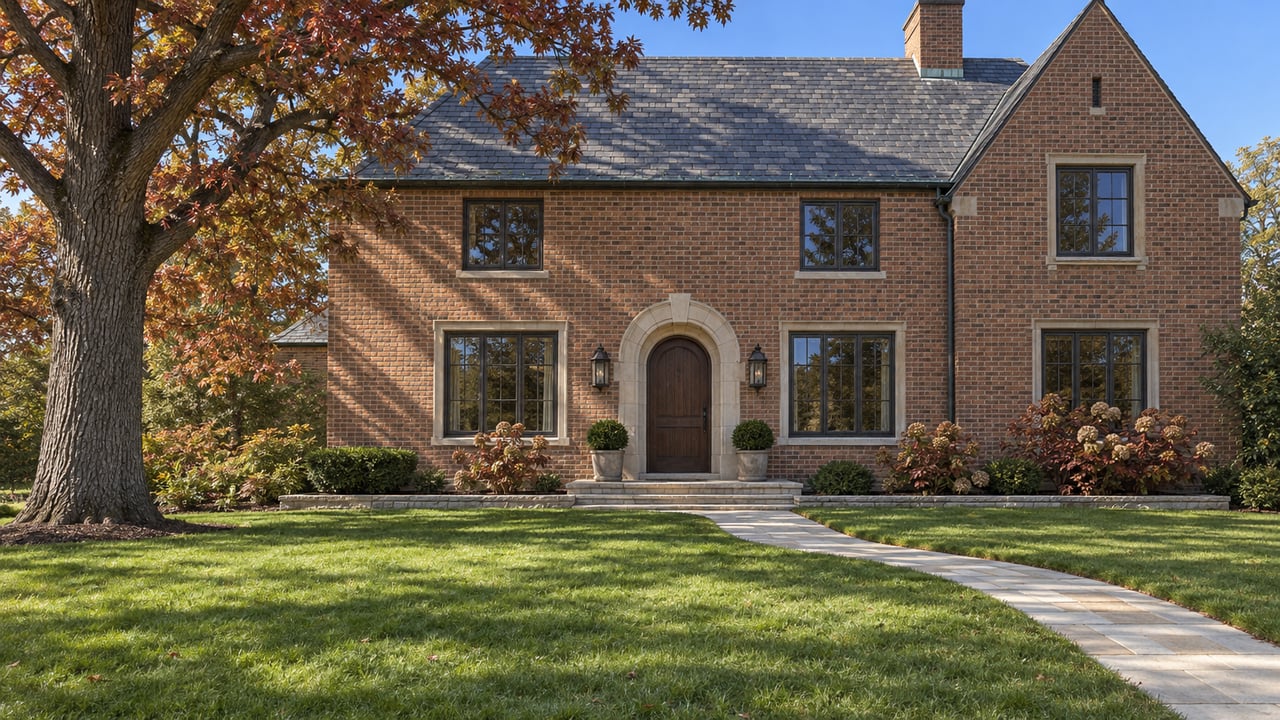
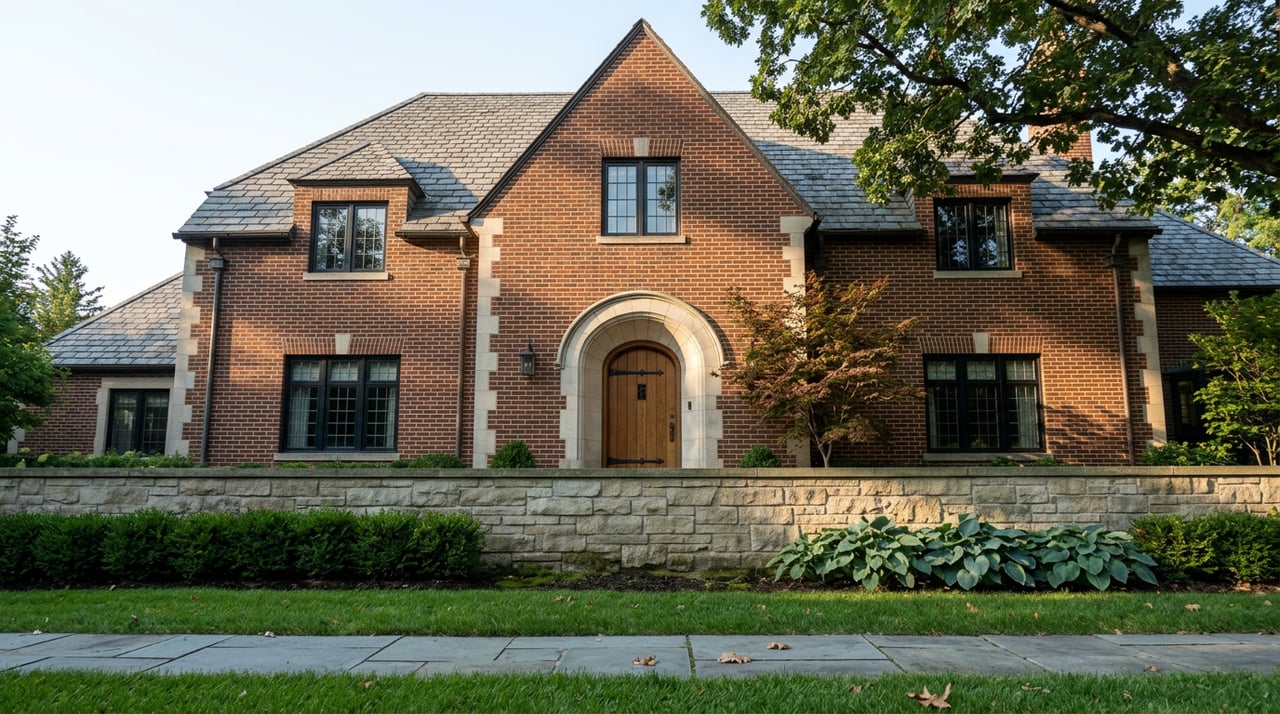
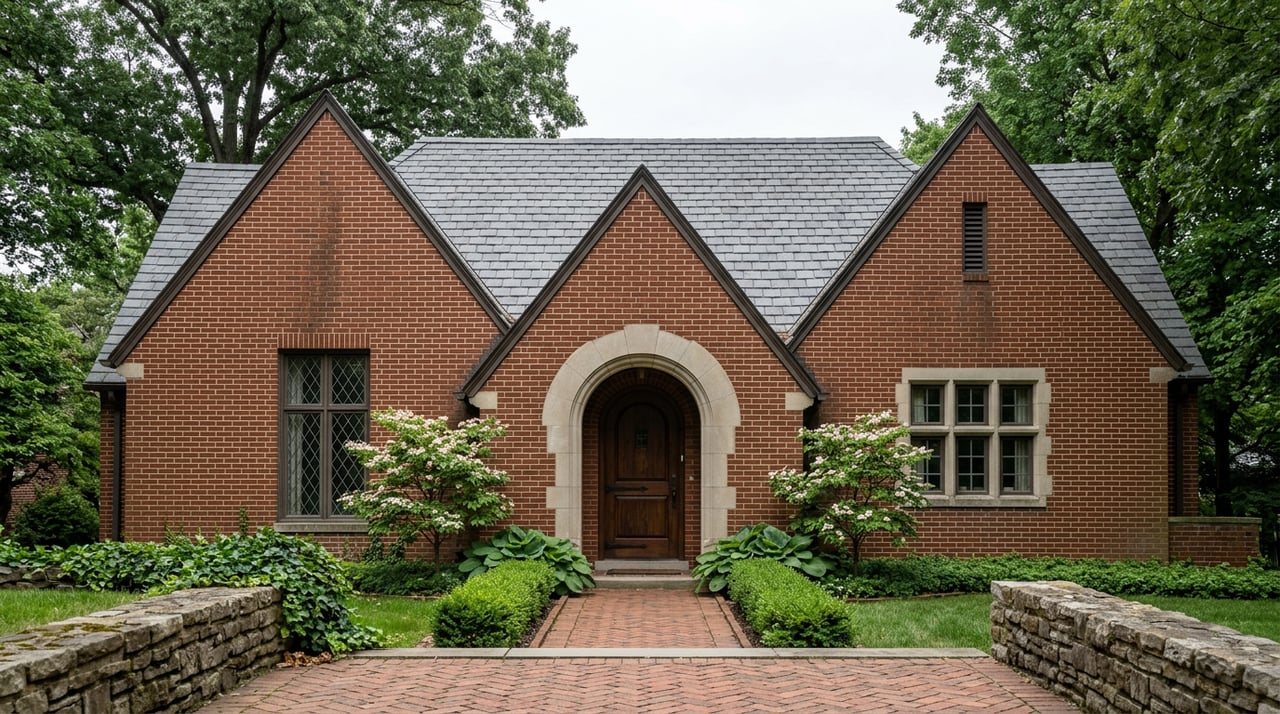
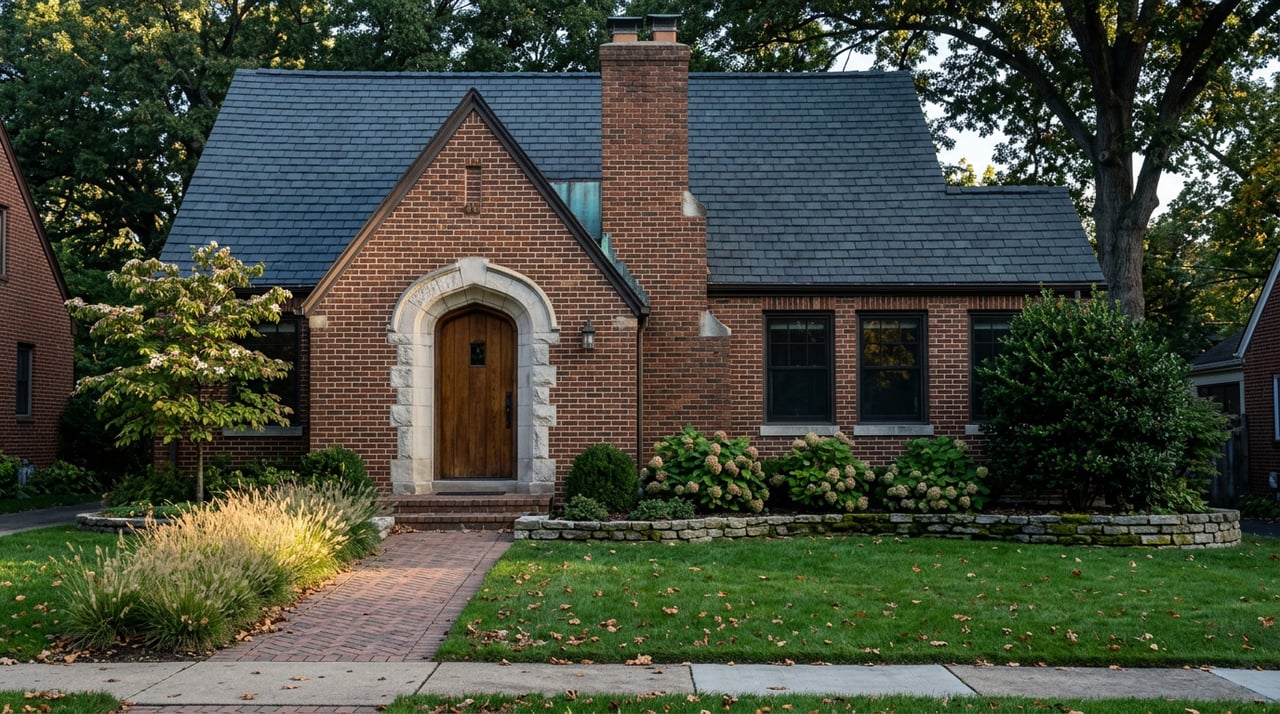
Tudor Revival homes often stand out right away. They typically feature asymmetrical forms, steeply pitched multi-gabled roofs, decorative half-timbering, prominent masonry chimneys, and multi-pane casement windows, based on guidance from the National Park Service.
For you as a buyer, that often means a home with strong curb appeal and a more individualized layout. These homes can feel especially distinctive, but their asymmetry may also lead to more segmented rooms and less open circulation than you might find in a bungalow or Foursquare.
Colonial Revival homes usually feel more formal and balanced. The National Park Service describes common features such as symmetry, rectangular forms, prominent entrances, columns or pilasters, and decorative details like fan lights, side lights, or Palladian windows.
When you walk through one, you may notice a room layout that feels traditional and orderly. Buyers who like a classic front elevation and a more axis-driven floor plan often respond well to this style.
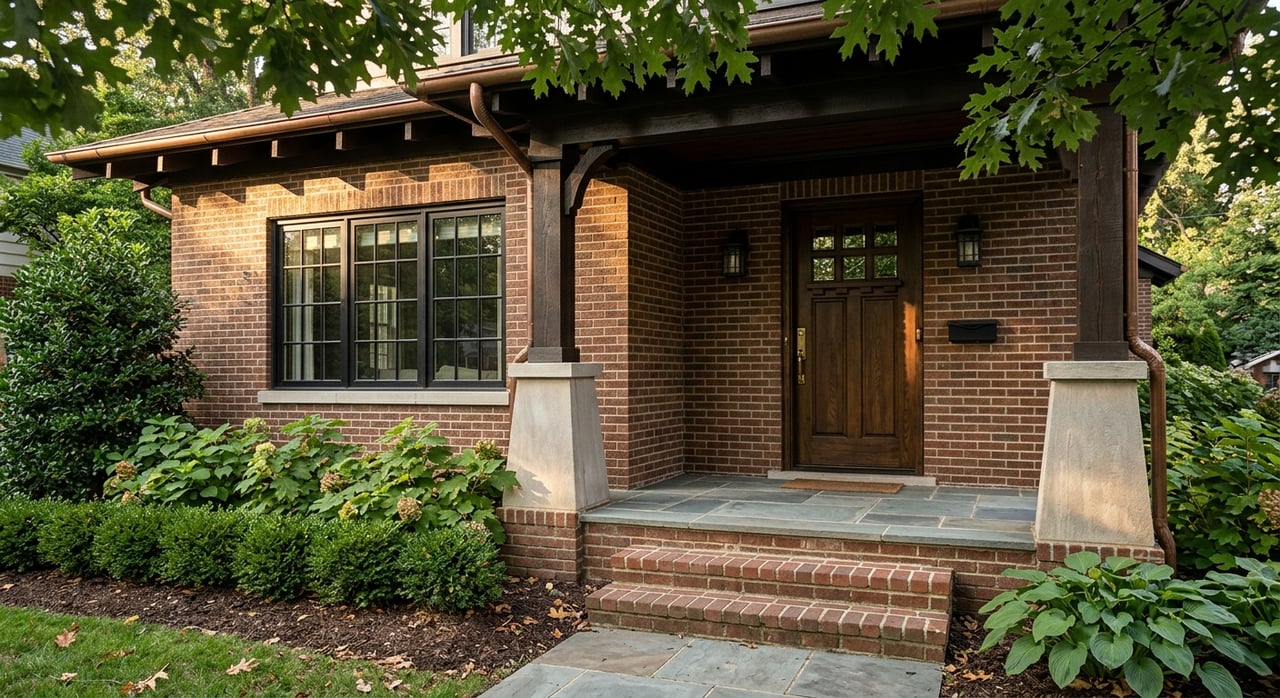
Craftsman and bungalow homes are often among the most approachable options for everyday living. According to the National Park Service, these homes are typically one to two stories with broad gables, a large covered porch, and interiors that often reduce hallway space to create a more open feel.
In Meridian-Kessler, this can translate into a home that feels compact, functional, and closely connected to the porch and yard. The tradeoff is that storage, closets, and kitchen footprints may be tighter than in some larger revival-style homes.
American Foursquare homes are known for their straightforward shape and efficient planning. The style is named for its basic four-room square plan, and these homes are usually two stories with broad first-floor porches and large windows, according to the National Park Service.
Prairie-influenced versions may add broad overhangs, pyramidal roofs, transoms, and a more horizontal look. If you want defined rooms, predictable circulation, and a boxier footprint that adapts well over time, this style is often worth a close look.
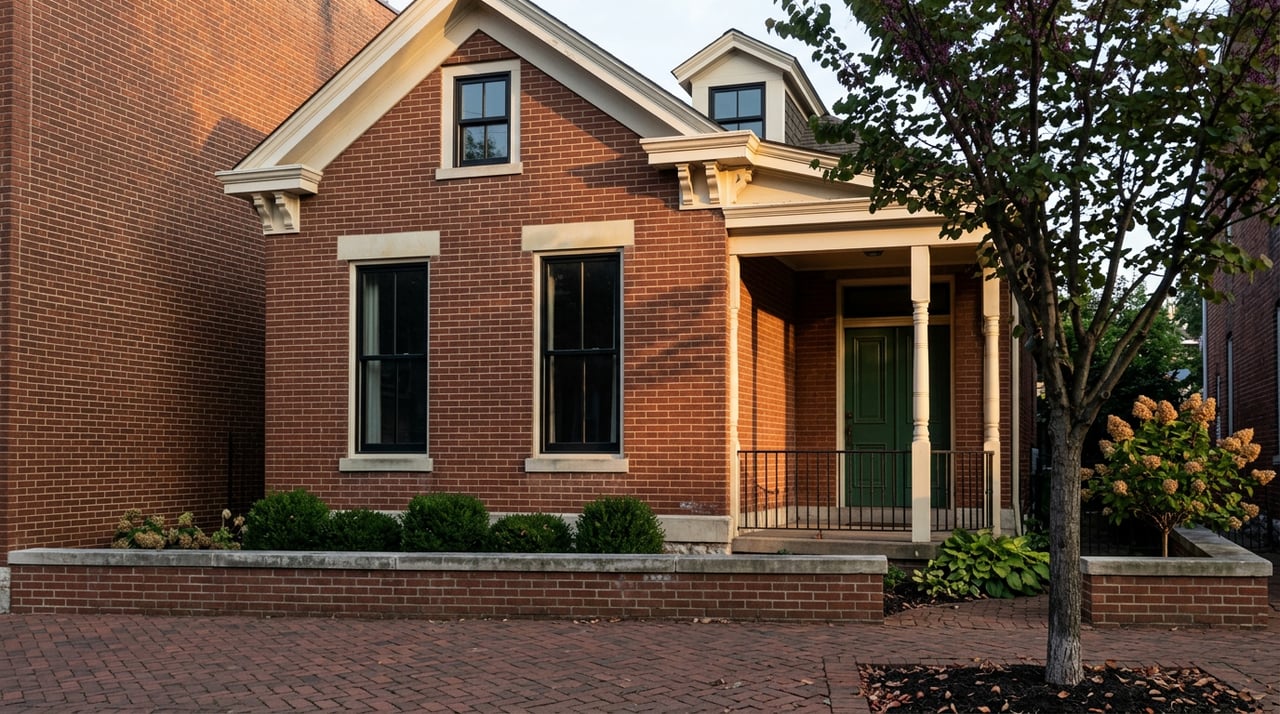
Some homes do not fit neatly into one simple category. Because Meridian-Kessler developed quickly during the early 20th century, buyers should expect a broad mix of period-revival architecture from block to block, as noted by the Encyclopedia of Indianapolis.
That means you may find houses on the same street with very different exteriors, floor plans, and renovation histories. It is one reason local context matters so much when you compare homes here.
A home’s style is not just about curb appeal. It often shapes how rooms connect, how natural light moves through the house, and how easy it is to adapt the space to your needs.
Foursquares tend to be the most straightforward if you want defined rooms and efficient circulation. Tudor and other period-revival homes may feel more romantic and distinctive, but room sizes and flow can vary more from one house to the next.
Bungalows and Craftsman homes often feel easy to live in because they prioritize movement and connection between indoor and outdoor spaces. At the same time, you may need to think more carefully about storage, future expansion, or kitchen layout if those are high priorities for you.
In a historic neighborhood, style and condition go hand in hand. Original features can add a lot of value and character, but they also deserve careful evaluation during your search.
The Secretary of the Interior’s Standards for Rehabilitation emphasize retaining historic character and repairing distinctive materials when possible. For buyers, that means paying special attention to character-defining features such as:
If you are considering updates, it helps to know which features are central to the home’s architectural identity. A thoughtful renovation plan usually works best when it respects those original elements rather than trying to erase them.
Before you assume you can make major exterior changes, verify the property’s designation. The Encyclopedia of Indianapolis explains that local historic districts in Indianapolis require a Certificate of Appropriateness for renovation, demolition, new construction, and site work, while National Register designation alone does not trigger the same review.
That distinction matters. If you are thinking about an addition, garage project, exterior redesign, or major site work, you will want to confirm what applies to that specific address early in the process.
The Meridian-Kessler Neighborhood Association resources also note that larger landscaping or construction projects may require permits or variances, and review timelines can extend beyond four weeks. If renovations are part of your buying strategy, build in extra time and ask detailed questions before you close.
It is easy to assume one style always commands a premium, but that is usually too simple for Meridian-Kessler. The neighborhood includes everything from compact bungalows to larger period-revival homes, so value often depends more on square footage, lot size, street location, original details, and the quality of updates than on the style label alone.
Current pricing data also varies by source. Redfin’s Meridian-Kessler housing market data reported a median sale price of $482,500 in March 2026 and about 54 days on market, while the research also notes other platforms show different figures because they use different methodologies and time windows.
For you, the practical takeaway is simple: compare homes by condition, livability, and location within the neighborhood, not just by architectural category. A well-preserved or thoughtfully updated home may compete very differently from another house in the same style.
If you are buying in Meridian-Kessler, it helps to tour homes with a framework in mind. Instead of asking only, “Do I like this style?” ask how the style supports the way you want to live.
A few useful questions to keep in mind are:
When you know what matters most, the neighborhood’s architectural variety becomes an advantage. It gives you more ways to match a home’s design to your lifestyle.
Buying in a neighborhood with this much character takes more than a quick online search. You need clear guidance on style, condition, location, and long-term value. If you are considering Meridian-Kessler, Allison Steck can help you evaluate homes with a local, thoughtful approach and find the right fit for how you want to live.
Stay up to date on the latest real estate trends.
Allison offers her clients both the expertise to effectively compete in the changing market, and an elevated level of service that is unmatched in the business.