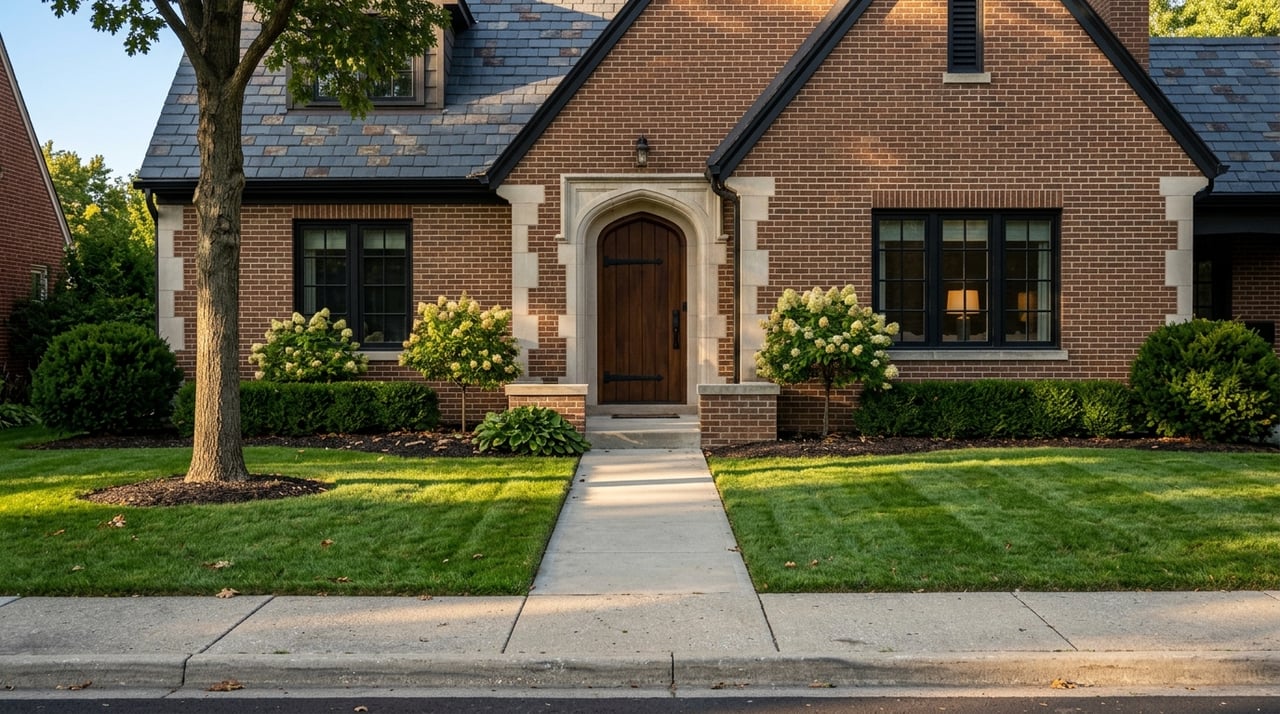
Meridian Kessler vs Broad Ripple: Which Neighborhood Fits You
Allison Steck April 16, 2026
Allison Steck April 16, 2026
Trying to choose between Meridian-Kessler and Broad Ripple? If you are searching in north Indianapolis, these two adjacent neighborhoods can both look appealing at first glance, but they offer very different day-to-day experiences. The good news is that once you compare housing, price, lifestyle, and commuting options, the right fit usually becomes much clearer. Let’s dive in.
Meridian-Kessler and Broad Ripple sit next to each other on the north side of Indianapolis, but they tend to attract buyers for different reasons. Meridian-Kessler is a larger, more residential historic neighborhood known for early 20th-century homes, while Broad Ripple is more centered on a village-style district with shops, restaurants, arts, events, and late-night activity.
If you want a quick summary, Meridian-Kessler often appeals to buyers who value a quieter residential feel and a more established historic-home market. Broad Ripple often fits buyers who want stronger nightlife, easier trail and transit access, and more housing price entry points.
Meridian-Kessler has defined boundaries of 38th Street to the south, Kessler Boulevard East Drive to the north, Meridian Street to the west, and the Monon Trail to the east, according to MKNA. The neighborhood includes more than 6,000 homes and more than 18,000 residents.
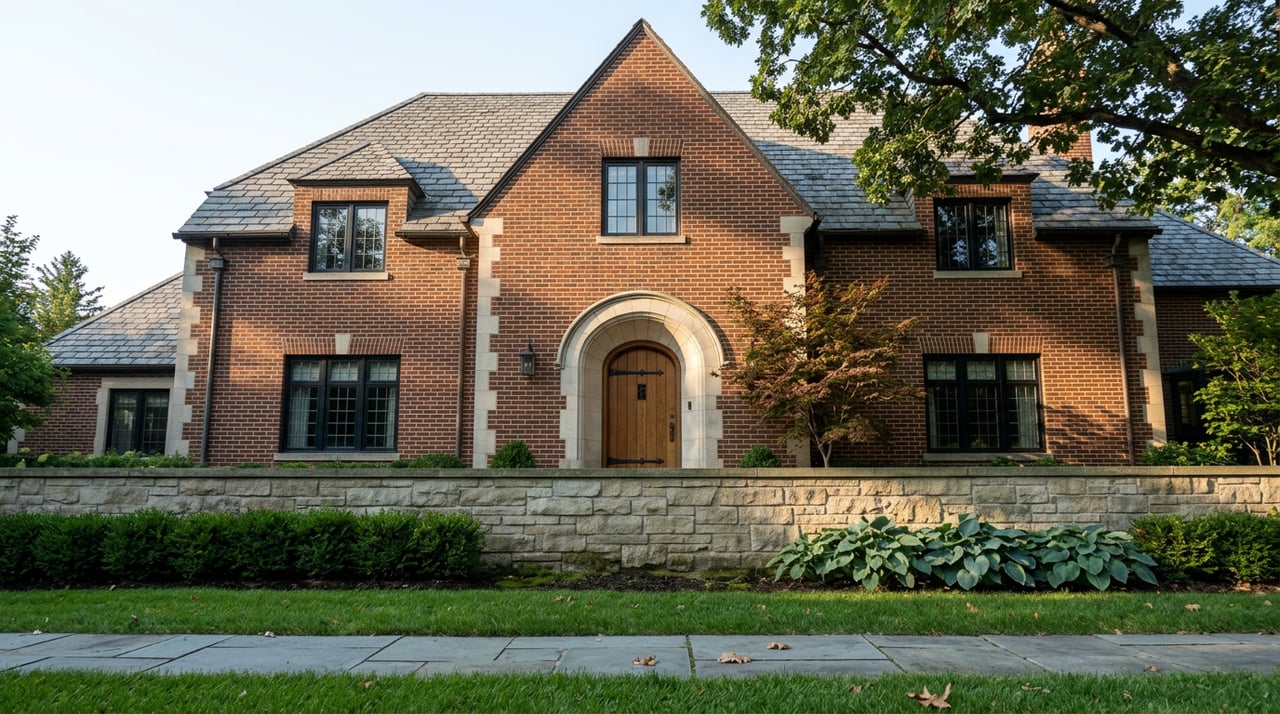
Its character is shaped by leafy boulevards, a classic street grid, and a mostly 20th-century housing stock. The Encyclopedia of Indianapolis notes that much of the neighborhood developed in the 1920s and 1930s, which helps explain the cohesive historic feel you notice as you drive through.
For many buyers, Meridian-Kessler feels established and residential first. It is the kind of place where the architecture and streetscape play a big role in the neighborhood experience.
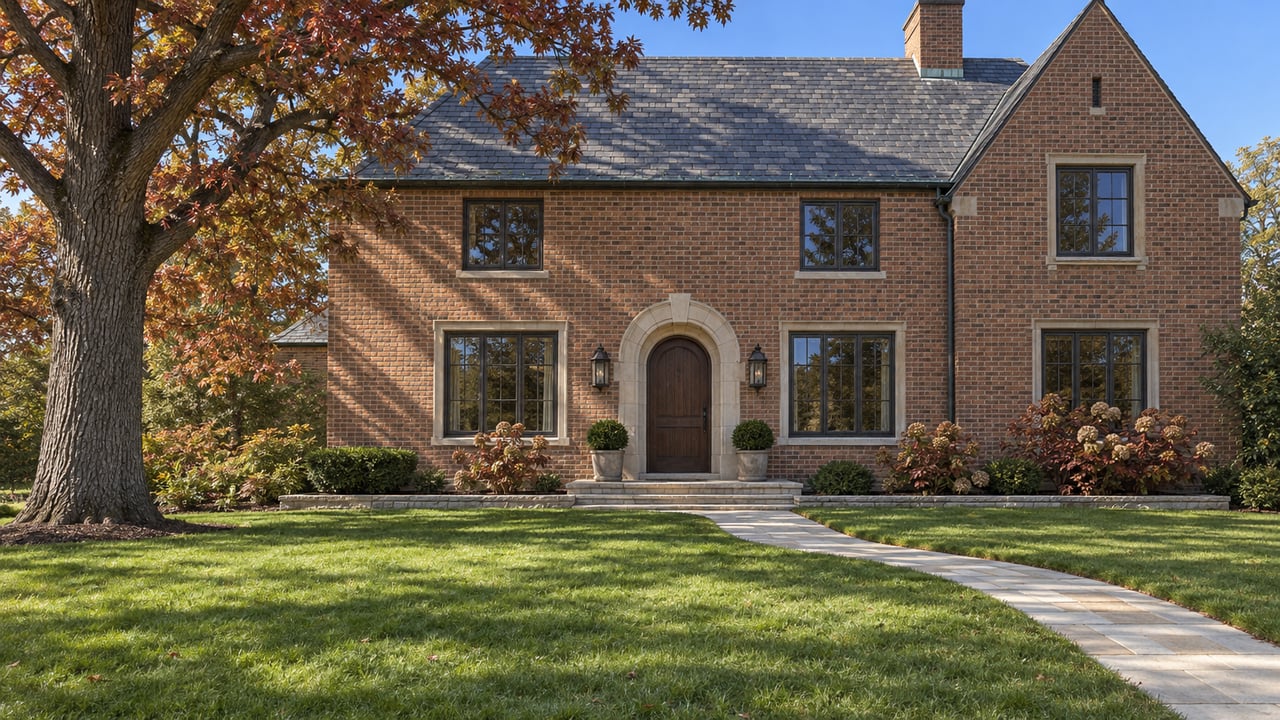
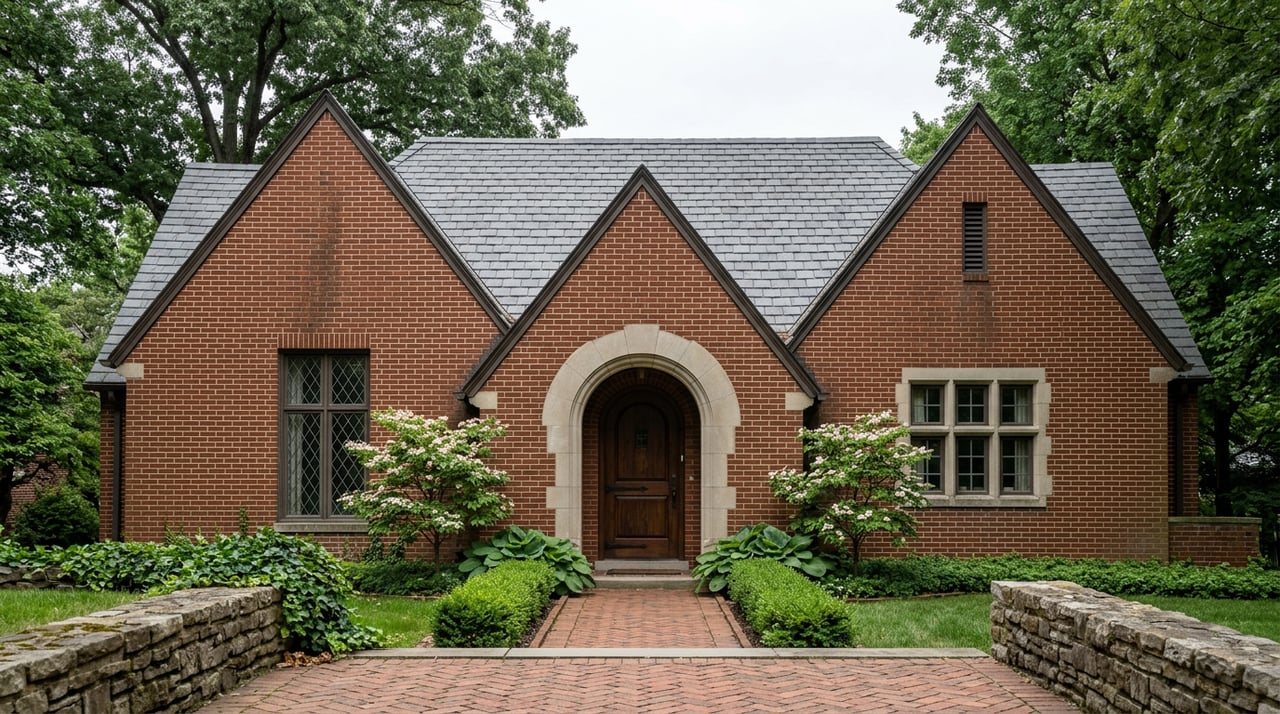
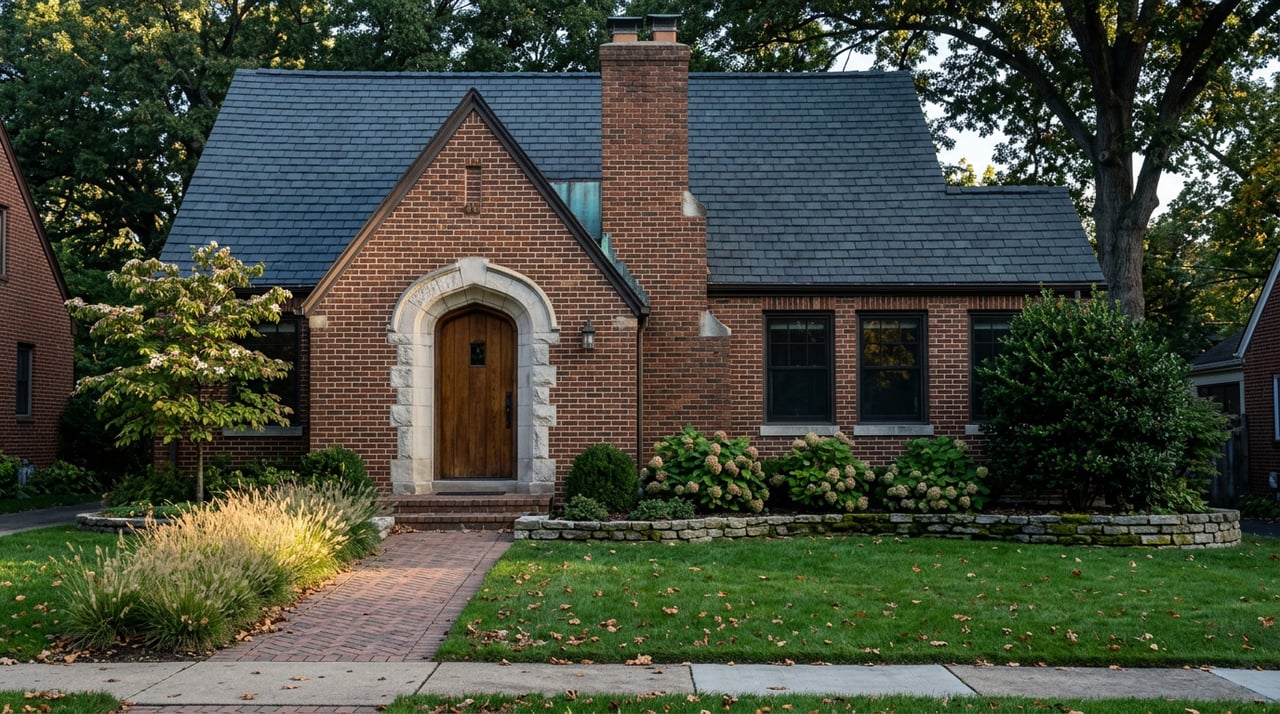
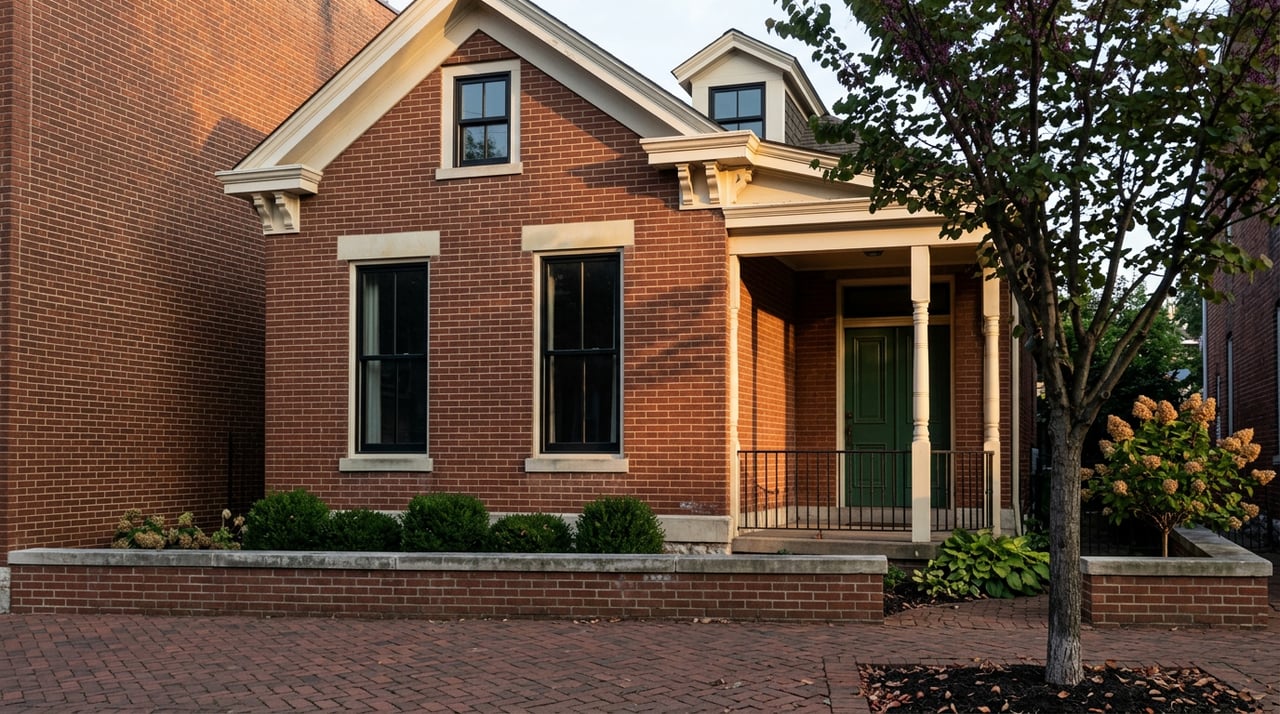
Meridian-Kessler offers a wide range of early 20th-century architecture. The Encyclopedia of Indianapolis highlights American Foursquare homes, bungalows east of College Avenue, and larger period revival homes west of College Avenue, including Colonial Revival, Tudor Revival, and Classical Revival styles.
According to HUNI, most lot sizes are under half an acre. The area is not one single historic district, but it does contain three National Register districts: Forest Hills, Oliver Johnson's Woods, and Washington Park.
Broad Ripple is bounded by the White River, Evanston Avenue, Kessler Boulevard, and Meridian Street. HUNI reports that the neighborhood has nearly 17,000 residents, and the area dates to 1837 before being annexed by Indianapolis in 1922.
What sets Broad Ripple apart is its village core. The neighborhood is more closely tied to restaurants, boutiques, galleries, events, and entertainment, creating a more active public-facing environment than nearby Meridian-Kessler.
If you like having activity nearby, Broad Ripple can feel convenient and energetic. If you prefer a quieter setting, that same energy may feel like more bustle than you want.
Broad Ripple also has architectural variety, but the housing mix is generally broader and often more accessible from a pricing standpoint. The Encyclopedia of Indianapolis notes that many homes were built after 1900, especially bungalows, and local materials from BRVA emphasize the neighborhood’s architectural diversity and character.
That mix can give buyers more options across price points and home types. In practical terms, Broad Ripple often attracts buyers who want neighborhood character without stepping as far into Meridian-Kessler pricing.
For many buyers, budget quickly narrows the choice. In Redfin’s February 2026 Meridian-Kessler market data, the median sale price was $475,000, with homes averaging 26 days on market.
In Redfin’s February 2026 Broad Ripple market data, the median sale price was $314,100, with homes averaging 40 days on market. Based on those figures, Meridian-Kessler was about $161,000 higher.
Both neighborhoods were described as somewhat competitive, but the pricing gap is meaningful. If your goal is to maximize historic-home character and you are comfortable with a higher median price point, Meridian-Kessler may be worth the premium. If you want more flexibility in your search range, Broad Ripple may give you more room to explore.
This is often where the decision becomes easiest.
Meridian-Kessler tends to read as more residential and calm. MKNA resources emphasize preserving single-family housing and neighborhood services, while HUNI points to its leafy streets and traditional layout.
Broad Ripple is the stronger choice if you want nightlife and late-evening activity nearby. The BRVA history page notes that the Village includes bars and night spots open late, along with restaurants, galleries, boutiques, the White River Canal, and the Monon Trail.
A simple way to think about it is this:
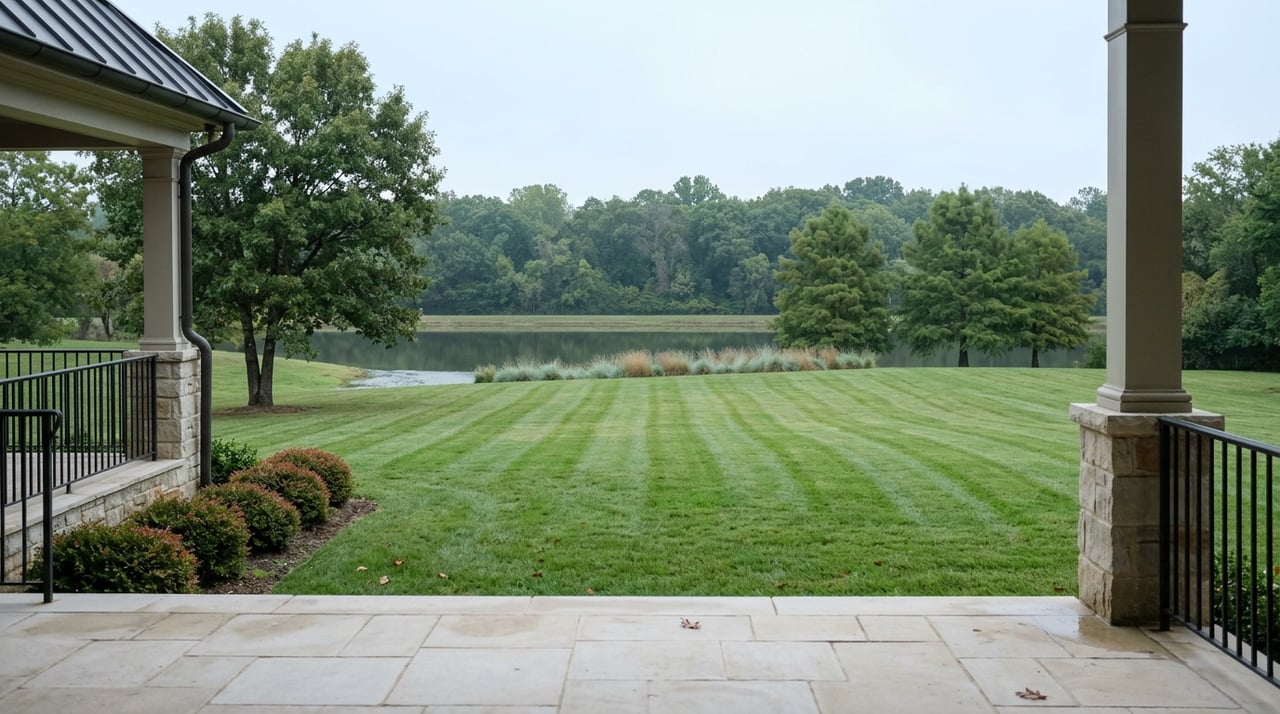
Broad Ripple stands out for recreation access and public events. BRVA highlights community events such as the Art Walk, Duck Race, Home Tour, Lights Up Festival, and farmers markets, along with White River access and amenities tied to the Indianapolis Art Center area.
The neighborhood also benefits from Broad Ripple Park’s 62 acres and amenities, including a family center, pool, tennis courts, ball fields, playgrounds, picnic shelters, and a dog park.
Meridian-Kessler also offers appealing outdoor access, especially along its eastern edge near the Monon Trail. If trail access matters to you, exact proximity will depend on the specific block and address you choose.
If multimodal transportation is high on your list, Broad Ripple has the clearer edge. Indy Parks’ Monon Trail page identifies Broad Ripple Village as one of the trail’s destinations, and IndyGo says the Red Line provides frequent service between Broad Ripple and the University of Indianapolis, generally every 15 to 20 minutes. Route 19 also serves the area.
Meridian-Kessler has useful bike access because its eastern boundary touches the Monon Trail, but transit convenience is more address-specific. If public transit is important to your daily routine, it makes sense to check commute details for the exact home you are considering.
If schools are part of your move, it is important to verify options by address. In Broad Ripple, Broad Ripple Middle School is an IB World School for grades 6 through 8, and IPS says enrollment is zone-based, with school choices tied to the home address.
In Meridian-Kessler, neighborhood civic life includes support for nearby educational institutions. MKNA’s 2025 grant recipients included CFI 84, Immaculate Heart of Mary, St. Joan of Arc, and other neighborhood institutions.
For either neighborhood, the best next step is to confirm assignment and enrollment details through the official IPS enrollment resources. School boundaries and options can change, and the exact address matters.
If you are drawn to classic architecture, mature streetscapes, and a more residential rhythm, Meridian-Kessler may feel like home. It usually serves buyers who want the established historic-home market and are comfortable with a higher median price point.
If you want a lively village setting, easier trail and transit access, and a lower median sale price, Broad Ripple may be the better fit. It tends to work well for buyers who want neighborhood energy and more variety in housing entry points.
The right choice depends on how you want to live day to day, not just what looks good online. If you want thoughtful guidance as you compare homes in Meridian-Kessler, Broad Ripple, or nearby north Indianapolis neighborhoods, Allison Steck offers neighborhood insights you can trust and a high-touch buying experience tailored to your goals.
Stay up to date on the latest real estate trends.
Allison offers her clients both the expertise to effectively compete in the changing market, and an elevated level of service that is unmatched in the business.