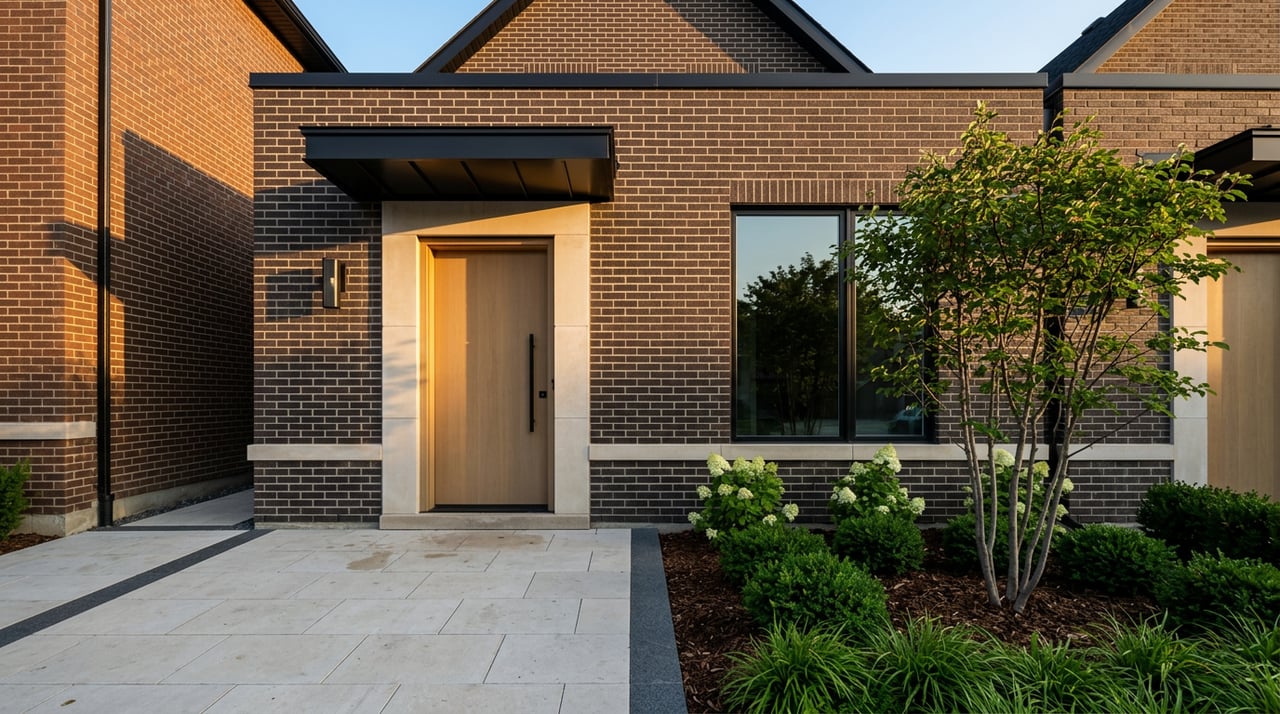
Downtown Indianapolis Condo vs Townhome: How to Choose
March 24, 2026
March 24, 2026
Torn between a low-maintenance condo and a townhome with a bit more space? If you’re eyeing Mile Square, you have great options, but the details matter. HOA rules, building finances, parking, and even city policies can change your true monthly cost and future resale. In this guide, you’ll learn the key tradeoffs so you can choose with clarity and confidence. Let’s dive in.
Mile Square anchors Downtown Indianapolis with walkable blocks, restaurants, sports, and cultural venues. Many buildings offer controlled access, garage parking, and on-site amenities for a lock-and-leave lifestyle. You’ll also find townhome clusters and small single-family options just beyond the core. The right fit comes down to your maintenance appetite, budget, and how you want to live day to day.
Condo
Townhome
Small single-family home
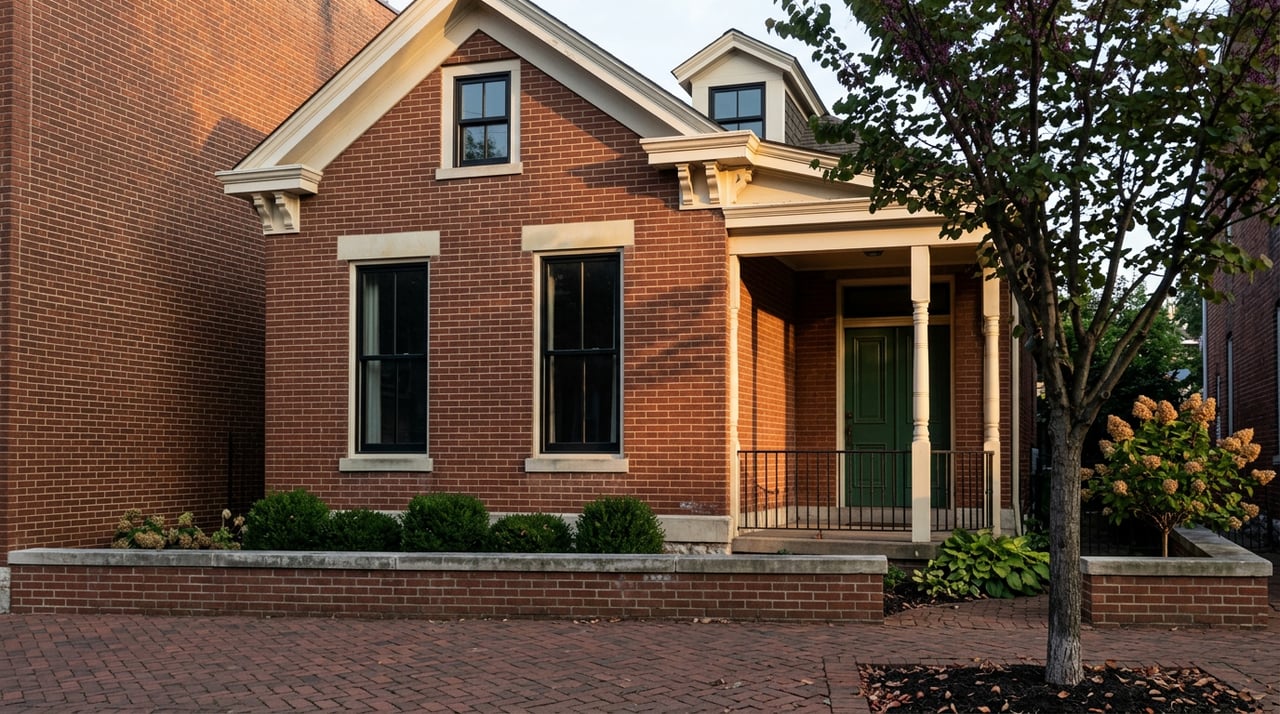
With a condo, you typically own the unit interior while the association owns and maintains the common elements like the roof, facade, lobbies, elevators, and parking structures. Indiana’s condominium statute outlines required declarations and what associations can assess and disclose to owners and buyers. You can review the statute for context on disclosures and assessments at the Indiana Code site hosted by Justia. See the relevant Indiana condominium statute provisions.
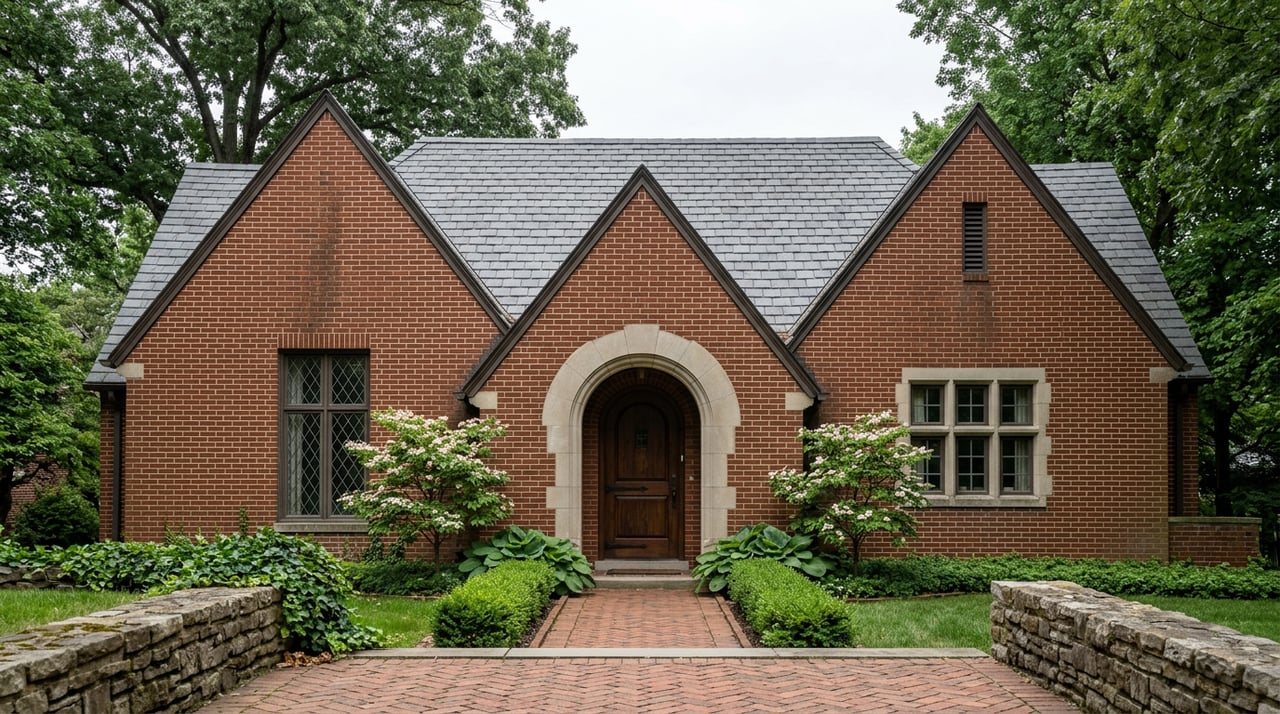
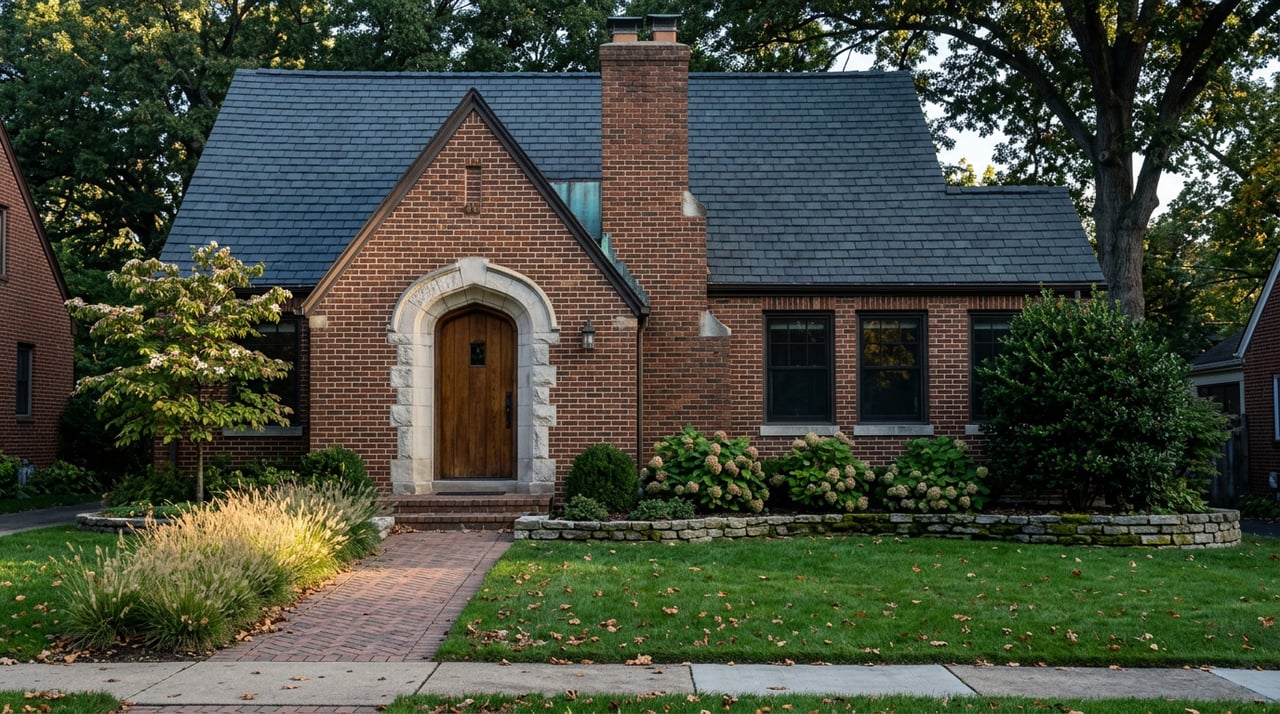
“Townhouse” describes the building style, not the maintenance rules. In many downtown communities, the HOA may cover grounds, snow removal, and sometimes parts of the exterior, but owners often retain responsibility for certain elements like roofs or driveways. Always confirm the exact split in the recorded documents. For a plain-English overview of how this varies, review this guide to condo vs townhouse responsibilities.
You control the home and the lot. That means higher responsibility for exterior systems like roofing, siding, and landscaping. You avoid association rules and dues, but you also give up shared services and building amenities.
In Mile Square, monthly condo dues often fall in the mid to upper hundreds. Townhome associations may post lower dues, sometimes monthly or quarterly, depending on how much exterior maintenance they include. Exact figures and inclusions vary by building and community, so use the live listing and HOA budget for an apples-to-apples comparison.
The association’s financial health matters. Healthy reserves help cover big-ticket items like roofs, facades, parking structures, and elevators. Thin reserves or repeated special assessments can raise your risk and limit financing options. Ask for current and prior budgets, reserve studies, and recent board meeting minutes to spot upcoming projects. For context on how master policy deductibles and assessments work, see this HOA insurance explainer. If a major repair triggers an owner assessment, the association can place a lien if it is not paid; Indiana statutes establish how associations handle assessments and disclosures.
Third-party estimates place Marion County’s effective property tax rate around roughly 0.9 percent, though methodologies differ. You can review benchmarking by county at the Tax Foundation’s property tax data. Also watch policy discussions around a Mile Square Economic Enhancement District that could add a downtown fee to support services like cleanliness and outreach. Learn more from Axios’ coverage of the proposed EED.
Parking is a big differentiator. In larger condo buildings, a deeded or assigned garage space can be a major value add. In townhome communities, attached garages are common, but guest parking rules may be strict. Street parking downtown is metered and managed by the ParkIndy system, and many garages use app-based payment. Before you buy, confirm how parking works for owners and guests, whether your space is deeded or assigned, and if there are any waitlists. For general downtown parking context, see Visit Indy’s parking and transportation page.
HOA rules often limit pets by number or size, and many downtown associations restrict or prohibit short-term rentals. The City of Indianapolis also requires registration, permits, and tax remittance for short-term rentals. You must confirm both HOA rules and city requirements before counting on rental income. A good primer is this Indianapolis short-term rental guide.
For condos, lenders review the entire project, not just your financial profile. If a building has low reserves, high delinquency, active litigation, or a low owner-occupancy ratio, it may be ineligible for certain loans. That can shrink your buyer pool and affect time on market. Learn the basics in this Freddie Mac project eligibility overview. Ask early about FHA, VA, and Fannie or Freddie compatibility.
Mile Square has a high share of rental housing compared with suburban areas. Heavy investor concentration in or around some buildings can add financing friction and narrow demand among owner-occupant buyers. You can review general rental intensity for Mile Square at NeighborhoodScout’s neighborhood profile.
If you plan to sell in a few years, factor in the building’s reserves, assessment history, and eligibility for common loan programs. Strong building financials, stable rules, and clear parking solutions tend to support a larger buyer pool and smoother resales.
Request these documents and answers before you make an offer:
Ready to compare specific buildings and communities? I can help you interpret HOA documents, estimate true monthly costs, and weigh resale factors so you buy with confidence. Reach out to Allison Steck to get started.
Stay up to date on the latest real estate trends.



Allison offers her clients both the expertise to effectively compete in the changing market, and an elevated level of service that is unmatched in the business.